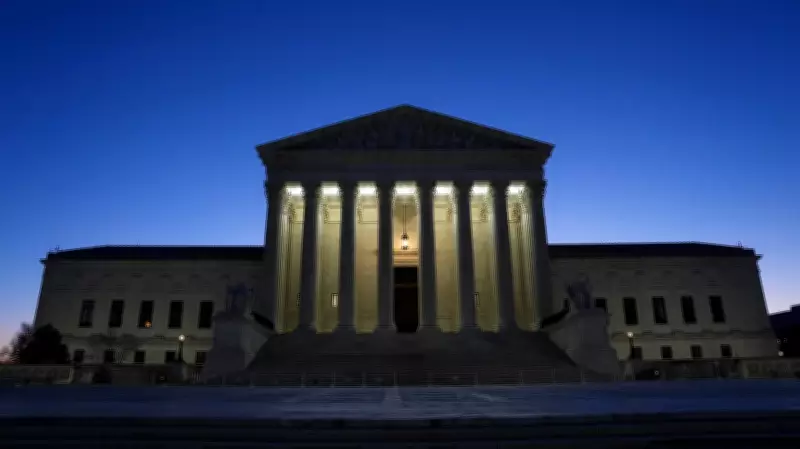
The U.S. Supreme Court has already delivered a boost to President Donald Trump and Republicans in the battle over electoral maps this year. In the coming weeks, it could rule in favor of Republicans in two more significant election cases ahead of the November midterms, which will decide control of Congress.
Mail-In Ballots Case
In a case from Mississippi, Republican officials seek to strike down state laws allowing late-arriving mail ballots to be counted if postmarked by Election Day. Trump has cast doubt on mail-in voting security, though voter fraud is rare, and Democratic voters use this method more than Republicans. The Supreme Court heard arguments in March and appeared ready to invalidate Mississippi's law. Currently, 14 states plus several territories accept late-arriving ballots. A ruling could impose stricter voting rules nationwide, though the court might delay changes until after the midterms under the Purcell principle to avoid voter confusion.
Impact on Voters
The Democratic National Committee warned of "disastrous consequences," arguing that an inflexible Election Day deadline could disenfranchise millions, including military voters, overseas citizens, rural voters, and the elderly. Chris McIsaac of the R Street Institute noted that requiring ballots to arrive by Election Day is reasonable but could pose administrative challenges, as voter communications are printed months in advance.

Campaign Finance Case
In a separate case involving Vice President JD Vance, Republicans seek to further reduce legal limits on campaign spending, specifically coordinated expenditures between parties and candidates. They argue such limits violate First Amendment free speech protections. The court's conservative majority has been receptive to this argument, notably in the 2010 Citizens United decision. Supporters of the limits say they prevent corruption by stopping wealthy donors from routing massive sums through parties to evade donation caps.
Conservative attorney Dan Backer said striking down limits would strengthen parties, which have a "moderating impact" on politics. During December arguments, conservative justices appeared sympathetic. University of Minnesota professor Timothy Johnson predicted a ruling favoring Republicans could let them capitalize on their fundraising advantage: Three major Republican committees ended April with $251 million cash, double the $125 million held by Democrats, who also had $17 million debt. However, some Democratic candidates have strong individual fundraising.
Previous Voting Rights Ruling
In April, the Supreme Court's 6-3 conservative majority gutted a key Voting Rights Act provision, making it harder to challenge racially discriminatory electoral maps. This ruling has been a "boon for Republicans," said Travis Crum of Washington University, potentially allowing them to gain up to a dozen House seats through redistricting. However, Trump's low approval ratings and historical trends of the president's party losing midterm seats work against Republicans.
Rulings in both cases are expected by late June. Republicans hold slim majorities in the House and Senate; if Democrats win either chamber, they could impede Trump's agenda and launch investigations.