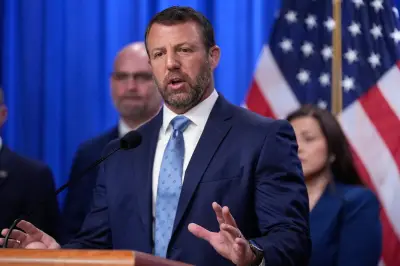
The U.S. Treasury has waived sanctions on Iranian oil as part of an interim agreement to end the war, a move confirmed by a senior fellow at the Macdonald-Laurier Institute, Joe Varner, who discussed U.S. negotiators meeting with Iran's parliamentary speaker.
Details of the Sanctions Waiver
The waiver allows Iran to export oil without facing U.S. penalties, marking a significant shift in policy. This interim agreement aims to de-escalate tensions and create a pathway toward a permanent ceasefire. The Treasury's decision comes after months of back-channel negotiations between U.S. and Iranian officials.
Impact on Global Markets
Oil prices initially dropped on the news, with Brent crude falling by 2% to $85 per barrel. Analysts expect the waiver to increase global oil supply, potentially easing inflationary pressures. However, experts caution that the agreement remains fragile and could be reversed if negotiations stall.

Political Reactions
Joe Varner noted that the meeting between U.S. negotiators and Iran's parliamentary speaker was a critical step in building trust. The waiver is seen as a goodwill gesture, but critics argue it rewards Iranian aggression. The Biden administration defends the move as necessary to achieve long-term peace.