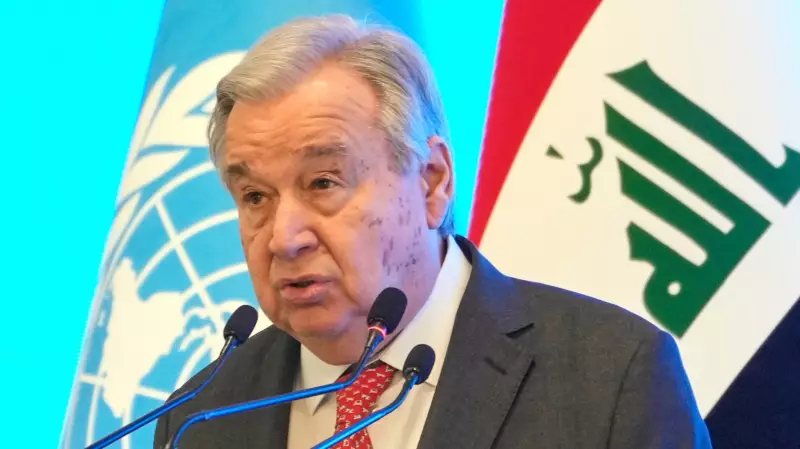
The United Nations has issued a firm legal reminder to the United States following the White House's announcement that it is withdrawing support from more than 30 initiatives operated by the world body. On Thursday, UN Secretary-General Antonio Guterres expressed regret over President Donald Trump's decision, which targets 31 UN-related agencies and dozens of other global groups.
A Legal Obligation and a Firm Response
In a clear statement, a spokesperson for Guterres, Stephane Dujarric, emphasized that assessed contributions to the UN regular and peacekeeping budgets are a legal obligation under the UN Charter for all member states, including the United States. This retort comes after a year of tense negotiations where UN officials, including Guterres, had managed to secure some continued U.S. support, including a $2 billion humanitarian aid agreement last month.
Dujarric stressed that the UN Charter is not an "à la carte" menu and stated the organization would not renegotiate its terms. He added that despite the withdrawal announcement, the targeted UN entities would continue their work, underscoring the UN's responsibility to those who depend on it.

Scope of the Withdrawal and Diplomatic Surprise
The move follows a yearlong review and was enacted by an executive order from President Trump, suspending American support for 66 international groups, agencies, and commissions. Many are UN-affiliated bodies focusing on areas the administration has criticized, such as climate, migration, and diversity initiatives.
Key agencies affected include the UN Population Fund (UNFPA) and the UN Framework Convention on Climate Change (UNFCCC), the foundational treaty for the Paris Agreement. The U.S. had previously cut funding to UNFPA during Trump's first term and withdrew from the Paris Agreement soon after his return to office.
The announcement caught top UN diplomats off guard, with many learning of the decision through news reports and White House social media posts. Dujarric confirmed there had been no formal communication from the Trump administration outlining the details, leaving many agency officials unable to comment on the specific impacts.
Financial Stakes and Global Ripple Effects
The financial implications are significant. As the world's largest economy, the United States is assessed to pay 22% of the UN's regular budget and 25% of its peacekeeping budget. UN officials noted that the U.S. did not pay its annual contributions to the regular budget last year. According to the UN Charter, the penalty for non-payment is the loss of voting rights in the General Assembly.
The U.S. retreat is already influencing other Western nations. Countries like France and the United Kingdom have begun reevaluating their own humanitarian funding, with some shifting resources toward military spending instead.
Simon Stiell, Executive Secretary of the UNFCCC, warned that pulling back from climate efforts would harm the U.S. economy, jobs, and living standards as climate disasters intensify. He left the door open for a future return, noting the immense commercial opportunity in clean energy and climate resilience remains too large for American businesses to ignore.