Vance Challenges Pope Leo XIV's Stance on Iran War, Urges Theological Caution
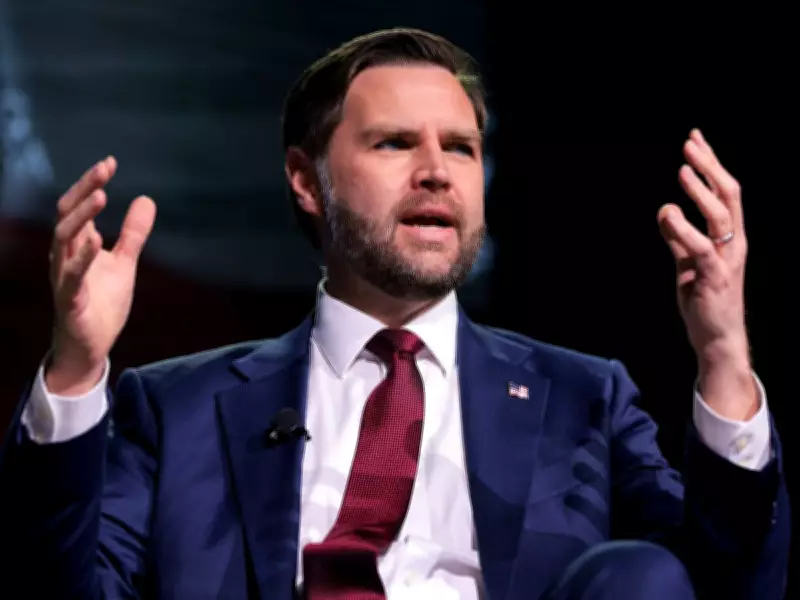
U.S. Vice President JD Vance, a prominent Catholic figure, has publicly pushed back against Pope Leo XIV's recent criticism of the war on Iran, asserting that the pontiff's remarks lack theological grounding and advising him to be "careful" with his words on such matters. The vice president made these comments during a Turning Point USA event in Athens, Georgia, on April 14, 2026, sparking a debate over the intersection of faith and foreign policy.
Questioning the Pope's Remarks on Conflict and Divine Blessing
Vance expressed admiration for Pope Leo XIV but took issue with his stance on the Middle East conflict, particularly after the pope stated in a social media post that God does not bless any conflict. The pontiff added, "Anyone who is a disciple of Christ, the Prince of Peace, is never on the side of those who once wielded the sword and today drop bombs." In response, Vance posed a pointed question: whether this view applies to historical events like World War II, where U.S. troops helped liberate France from Nazi Germany and freed prisoners from concentration camps.
"How can you say that God is never on the side of those who wield the sword?" Vance asked, highlighting the complexity of justifying military actions through a theological lens. He emphasized that while it is important for public officials like himself to be cautious in discussing policy, the pope must equally ensure his statements are "anchored in the truth" when addressing theological matters.

Broader Political Context and Vance's Position
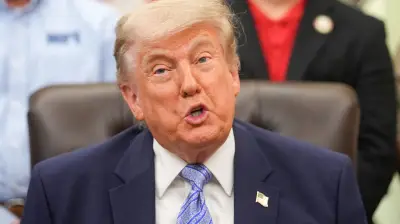
Vance's remarks come amid a broader clash between the Vatican and U.S. political leadership, following President Donald Trump's criticism of the pope as "weak on crime" and a since-deleted social media post depicting Trump in a Christ-like manner. This puts Vance in a delicate position as one of the most visible Catholics in the country, having converted to the faith and authored a book about his spiritual journey. The vice president's comments underscore the tension between religious authority and political discourse in contemporary America.
The debate raises questions about the role of religious leaders in commenting on international conflicts and the responsibilities of public figures in navigating faith-based dialogues. As the situation unfolds, Vance's call for careful speech from the pope reflects ongoing discussions about morality, war, and the boundaries of theological interpretation in a polarized political landscape.