Vatican Opts Out of Trump's 'Board of Peace' Proposal Amid Middle East Tensions
The Vatican has formally declared that it will not participate in former U.S. President Donald Trump's proposed 'Board of Peace' initiative. This announcement comes as the Israel-Hamas conflict continues to generate international concern and regional instability. The decision underscores the Holy See's cautious approach to external diplomatic frameworks during a period of heightened geopolitical sensitivity.
Context of the Announcement
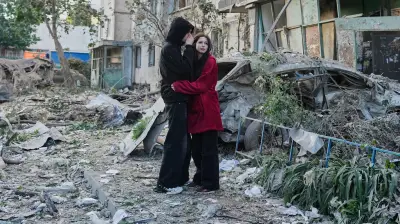
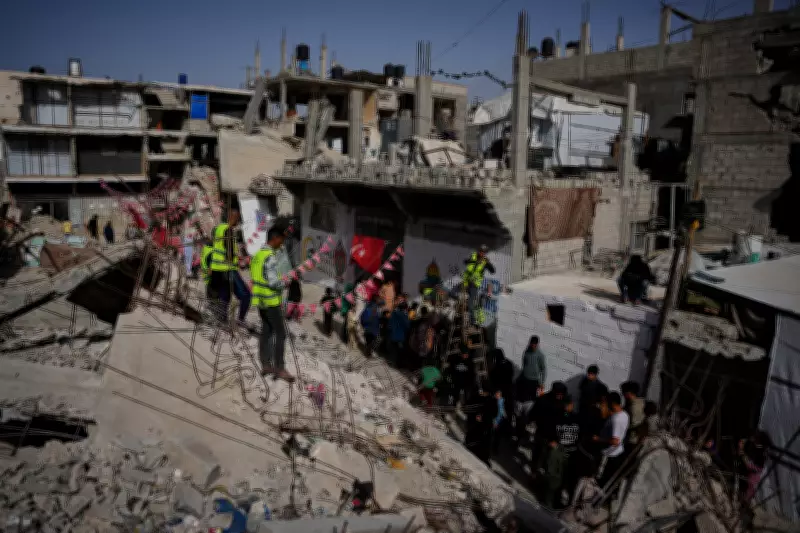
The Vatican's refusal to engage with Trump's peace board aligns with its longstanding preference for independent mediation and humanitarian efforts in conflict zones. The statement was released against a backdrop of ongoing violence in Gaza, where Palestinians have been observed preparing for the holy month of Ramadan amidst widespread destruction. In Khan Younis, southern Gaza Strip, residents have been hanging decorations beside the rubble of destroyed homes, a poignant symbol of resilience and faith during adversity.
Reuters reported the development on February 18, 2026, noting that the Vatican's position reflects a broader strategic calculation. The Holy See often emphasizes neutral, faith-based diplomacy, and may view Trump's initiative as potentially politicized or inconsistent with its own peacebuilding methodologies. This move highlights the complex interplay between religious institutions and international political actors in addressing protracted conflicts.

Regional and Global Implications
The Israel-Hamas war, now in a critical phase, has drawn varied international responses, with many nations and organizations advocating for ceasefires and humanitarian aid. The Vatican's decision to abstain from Trump's board could influence other religious or diplomatic entities considering involvement. It also raises questions about the effectiveness and reception of such externally proposed peace mechanisms in a region deeply scarred by historical and contemporary grievances.
Preparations for Ramadan in Gaza illustrate the daily realities faced by civilians. Despite the devastation, communities are striving to maintain cultural and religious traditions, underscoring the human dimension often overshadowed by political maneuvers. The juxtaposition of festive decorations against ruined landscapes serves as a stark reminder of the urgent need for sustainable peace solutions.
Analysis of Vatican's Diplomatic Stance
Historically, the Vatican has engaged in quiet diplomacy and advocacy for dialogue in the Middle East, often through channels like the Pontifical Council for Interreligious Dialogue. Its reluctance to join Trump's initiative may stem from a desire to preserve its impartiality and avoid association with any partisan agenda. This stance is consistent with Pope Francis's calls for peace and reconciliation, which typically emphasize grassroots engagement and humanitarian support over top-down political structures.
The announcement also arrives as global attention remains fixed on the humanitarian crisis in Gaza, where access to basic necessities remains severely constrained. International observers note that any peace effort must address immediate relief needs alongside long-term political resolutions. The Vatican's focus may thus remain on its own aid programs and diplomatic outreach, rather than aligning with external boards that could complicate its mission.
In summary, the Vatican's decision to not participate in Trump's 'Board of Peace' reflects a careful balancing of diplomatic principles and practical considerations. As the Israel-Hamas conflict persists, the Holy See's independent path highlights the ongoing challenges of forging peace in a fractured region, where faith, politics, and human suffering are inextricably linked.