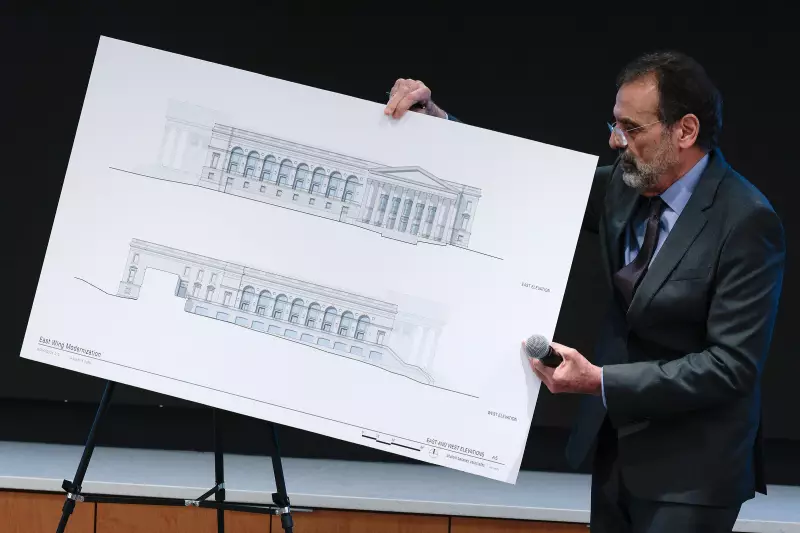
The White House has unveiled a significant expansion proposal with an estimated price tag of $400 million. The ambitious plans, which include the addition of a new ballroom and modifications referred to as the 'Upper West Wing,' were presented to federal oversight authorities in early January 2026.
Architect Presents Detailed Plans to Commission
On January 8, 2026, renowned architect Shalom Baranes stood before the National Capital Planning Commission in Washington, D.C. He displayed detailed elevation drawings for the proposed new ballroom, a central component of the costly renovation project. The commission, which holds authority over planning and development in the U.S. capital, reviewed the initial designs for the $400 million undertaking.
Scope of the Proposed White House Changes
The expansion plan is not limited to a single new structure. While the large ballroom is a headline feature, official documents and discussions also reference alterations being dubbed the 'Upper West Wing.' This suggests significant modifications or additions to the existing workspace complex that houses key presidential aides and offices. The proposal indicates a substantial physical evolution for the iconic executive mansion, one of the most recognized buildings in the world.

Next Steps and Oversight
The presentation by Baranes marks a preliminary step in a lengthy federal approval process. The National Capital Planning Commission will scrutinize the plans for their architectural merit, historical compatibility, and impact on the broader presidential precinct. Given the scale and cost, the proposal is expected to generate considerable debate among preservationists, policymakers, and the public. The January 2026 meeting sets the stage for future hearings and potential revisions before any construction could potentially begin.
This proposed expansion represents one of the most substantial physical changes to the White House complex in decades. The integration of a major new event space and the reconfiguration of West Wing offices would fundamentally alter the day-to-day operations and ceremonial capabilities of the presidential residence for future administrations.