The White House Bunker: A Secure Legacy Amid Legal Proceedings
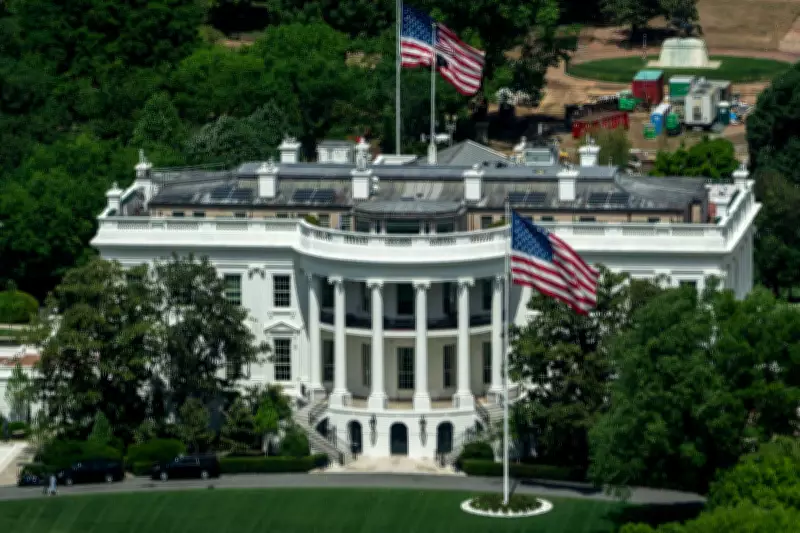
While former President Donald Trump's legal battles continue to dominate headlines, a lesser-known aspect of presidential security has emerged into public discussion: the White House bunker. This fortified underground facility, designed to protect commanders-in-chief during extreme emergencies, represents a fascinating chapter in American history that now intersects with contemporary political drama.
A Brief History of Presidential Protection
The concept of a secure presidential refuge dates back to World War II, when President Franklin D. Roosevelt authorized construction of an underground shelter beneath the White House. This initial facility, known as the Presidential Emergency Operations Center, was substantially expanded during the Cold War era when nuclear threats prompted more robust protective measures.
The modern bunker complex includes multiple levels beneath the East Wing of the White House, featuring sophisticated communications systems, independent power supplies, and provisions to sustain the president and essential staff for extended periods. While specific details remain classified for security reasons, historical accounts suggest the facility can withstand direct attacks while maintaining command and control capabilities.

Notable Moments in Bunker History
The White House bunker has been activated during several critical moments in American history:
- September 11, 2001: Vice President Dick Cheney and other officials were relocated to the bunker following the terrorist attacks
- 2020 Protests: President Trump was reportedly taken to the secure facility during demonstrations near the White House
- Various Cold War drills: Multiple presidents conducted emergency preparedness exercises within the facility
These incidents highlight how the bunker serves as both a physical refuge and a symbolic representation of presidential continuity during national crises.
Contemporary Relevance and Security Considerations
As legal proceedings involving former President Trump continue, attention has turned to how such facilities factor into broader discussions about executive power and security protocols. The bunker represents one element of the extensive protective measures surrounding American presidents, both during and after their terms in office.
Security experts emphasize that while the White House bunker captures public imagination, it represents just one component of a comprehensive protection system that includes advanced surveillance, transportation security, and intelligence coordination. These measures have evolved significantly since the bunker's initial construction, adapting to changing threats while maintaining the facility's original purpose: ensuring presidential safety during extreme emergencies.
The intersection of historical security infrastructure with current political developments offers a unique perspective on how presidential protection has evolved alongside the nation's changing security landscape.