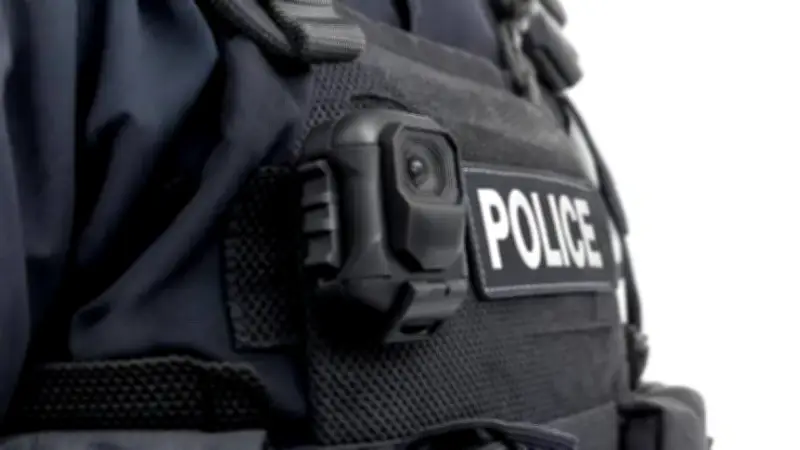
The Winnipeg Police Service has announced the launch of a body camera pilot project, marking a significant step toward enhancing transparency and accountability in law enforcement. The initiative will equip a select group of officers with body-worn cameras to record their interactions with the public during patrols and calls for service.
Pilot Project Details
The pilot project is set to run for several months, during which time the cameras will capture audio and video footage of police encounters. This data will be reviewed to assess the effectiveness of the technology in improving police-community relations and evidence collection. The Winnipeg Police Service has emphasized that the project is part of a broader effort to modernize policing practices and build trust with the community.
Community Response
Community leaders and civil rights advocates have largely welcomed the initiative, viewing it as a positive development for oversight. However, some have raised concerns about privacy and data management, urging the police to implement clear policies on when cameras should be activated and how footage will be stored and accessed. The police service has stated that it will follow provincial guidelines and consult with stakeholders to address these issues.

Implementation and Evaluation
The pilot project will involve officers from various divisions, including patrol and traffic units. The cameras will be worn on the officer's chest or collar, providing a first-person perspective of interactions. Data from the pilot will be analyzed to determine the impact on use-of-force incidents, complaints against officers, and overall public satisfaction. Depending on the results, the program could be expanded to all frontline officers in the future.
Broader Context
Body cameras have become increasingly common in police forces across Canada and the United States, with studies showing they can reduce complaints and improve behavior on both sides of the camera. The Winnipeg Police Service's pilot project aligns with this trend, aiming to foster greater transparency in a city that has seen its share of policing controversies. The project is funded through a combination of provincial grants and police budget allocations.
As the pilot progresses, the police service has committed to sharing updates with the public and incorporating feedback into any future permanent program. The initiative represents a cautious but hopeful step toward a more accountable and community-oriented police force in Winnipeg.