Analysts Offer Divergent Views on Carney's Assessment of Canada-U.S. Relations
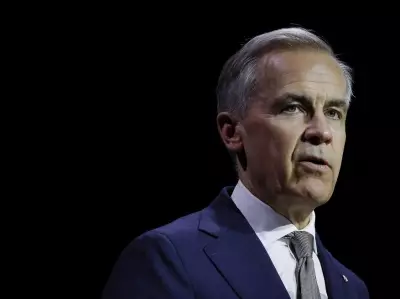
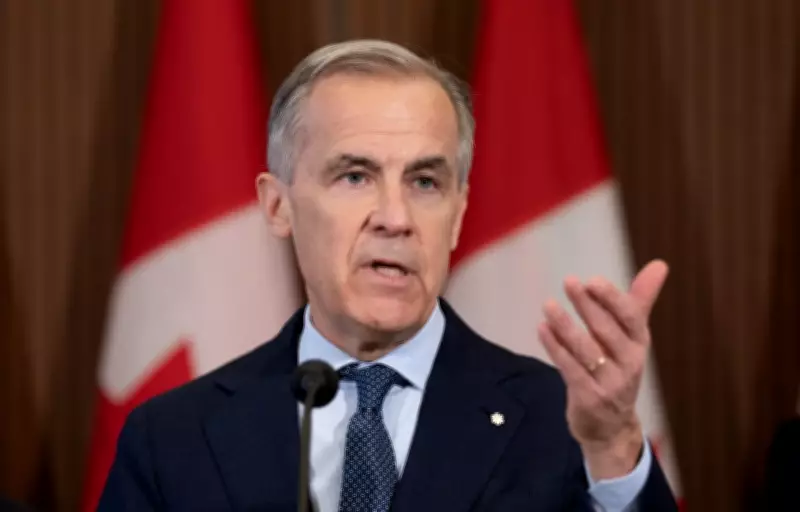
Political commentators and foreign policy experts are expressing sharply divided opinions regarding former Bank of Canada Governor Mark Carney's recent outlook on the future of Canada-United States relations. The debate centers on whether Carney's diplomatic approach represents strategic foresight or ineffective maneuvering in managing the complex bilateral relationship.
Contrasting Perspectives on Diplomatic Strategy
Some analysts have characterized Carney's approach as "rhetorical jiu jitsu," suggesting he employs sophisticated verbal techniques to navigate challenging diplomatic terrain. These supporters argue that his method demonstrates nuanced understanding of economic and political interdependencies between the two nations.
Conversely, critics contend that Carney's outlook underestimates structural challenges in the relationship. They point to ongoing trade disputes, divergent climate policies, and security concerns as evidence that mere rhetorical sophistication may prove insufficient for addressing substantive bilateral issues.

Historical Context and Future Projections
The debate occurs against a backdrop of evolving Canada-U.S. relations that have experienced both periods of close alignment and significant tension in recent years. Former Conservative cabinet minister James Moore has publicly expressed optimism about long-term prospects, suggesting both countries will eventually return to a stronger partnership despite current challenges.
This perspective aligns with those who believe Carney's approach represents pragmatic recognition of the inevitable economic and geographic realities that bind North American neighbors. However, skeptics question whether such optimism adequately accounts for shifting political landscapes in both nations.
Policy Implications and Bilateral Dynamics
The analytical split extends to practical implications for Canadian foreign policy. Proponents of Carney's outlook argue it provides a framework for maintaining constructive engagement even during periods of political divergence. They emphasize the importance of sustained dialogue and economic cooperation as foundational elements of the relationship.
Opposing analysts warn that overreliance on diplomatic finesse without substantive policy alignment could leave Canada vulnerable in key areas including trade, energy, and security cooperation. They advocate for a more assertive Canadian stance in bilateral negotiations.
Broader Political Reactions
The debate has attracted attention across the political spectrum, with Conservative Party leader Pierre Poilievre recently criticizing Prime Minister Carney for what he characterized as squandering Canada's leverage in relations with the United States. This political dimension adds complexity to the analytical discussion, intertwining partisan perspectives with policy assessment.
As the conversation continues, most observers agree that Canada-U.S. relations remain critically important for both nations' economic prosperity and security, ensuring continued scrutiny of any strategic approach to managing this essential partnership.