Bahrain's UN Proposal to Open Strait of Hormuz Faces Opposition
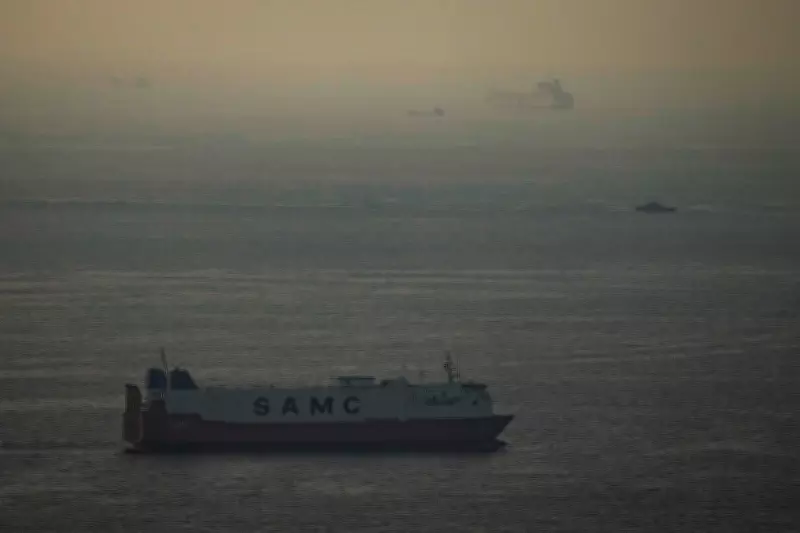
Bahrain has introduced a contentious proposal at the United Nations, calling for the use of 'all necessary means' to keep the Strait of Hormuz open for maritime traffic. This strategic waterway, a critical chokepoint for global oil shipments, has been a focal point of regional tensions, with recent incidents highlighting its vulnerability.
International Resistance Mounts
The proposal, submitted in March 2026, has quickly drawn opposition from various UN member states and international organizations. Critics argue that the language advocating for 'all necessary means' could be interpreted as a justification for military intervention, potentially escalating conflicts in an already volatile region. Diplomatic sources indicate that several nations are pushing for amendments to emphasize diplomatic and economic measures over forceful actions.
Supporters of Bahrain's initiative, however, contend that ensuring unimpeded access through the Strait of Hormuz is essential for global energy security and economic stability. They point to recent disruptions and threats to shipping lanes as evidence of the need for a robust international response. The debate underscores the delicate balance between safeguarding maritime routes and avoiding further militarization of the area.

Regional Context and Implications
The Strait of Hormuz, located between the Persian Gulf and the Gulf of Oman, is one of the world's most important oil transit corridors, with approximately one-fifth of global oil consumption passing through it. Recent years have seen increased tensions, including naval confrontations and attacks on commercial vessels, raising concerns about potential supply disruptions.
Bahrain's proposal comes amid broader geopolitical shifts and ongoing conflicts in the Middle East, adding another layer of complexity to international relations. Analysts suggest that the opposition reflects a cautious approach by many countries, wary of being drawn into regional disputes or setting precedents for unilateral actions in other strategic waterways.
As discussions continue at the UN, the outcome of this proposal could have far-reaching consequences for international law, maritime security protocols, and global trade dynamics. Stakeholders are closely monitoring developments, with many advocating for a multilateral consensus that prioritizes peaceful resolution and cooperative security measures.