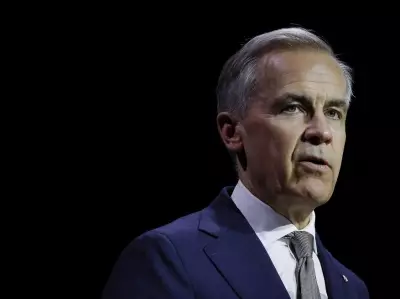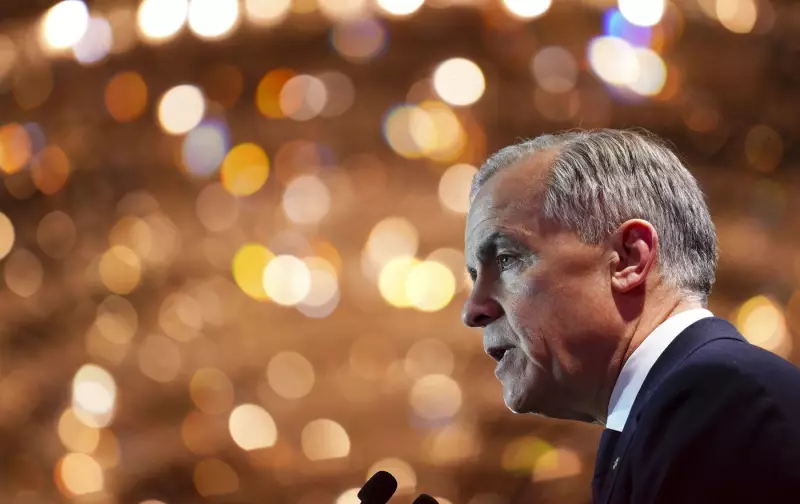
Prime Minister Mark Carney is embarking on a diplomatic mission to Qatar aimed at securing investment for Canada, a move that places his government's economic priorities alongside the Gulf nation's widely criticized human rights record. The visit, confirmed for January 2026, underscores a pragmatic approach to foreign relations where trade and capital often intersect with complex geopolitical realities.
The Diplomatic Mission and Its Context
The trip follows closely on the heels of Carney's engagements in Asia, including a notable address to the Canada-China Business Council in Beijing on January 16, 2026. This sequence of travel highlights an active foreign economic policy agenda. The objective in Qatar is explicit: to drum up investment and strengthen bilateral economic ties. Qatar, with its immense sovereign wealth funds derived from natural gas reserves, represents a significant source of potential capital for Canadian projects and industries.
However, this outreach does not occur in a vacuum. Qatar's governance has been described by numerous international human rights organizations as having a "brutal" record. Critics point to systemic issues concerning migrant workers' rights, restrictions on freedom of expression, and the status of women and LGBTQ+ individuals. The Prime Minister's office has yet to detail how, or if, these concerns will be formally addressed during the investment talks.

Balancing Economics and Principles
This visit poses a classic challenge for Canadian foreign policy: balancing the pursuit of economic opportunity with the promotion of democratic values and human rights. The Carney government's strategy appears to favor engagement over isolation, betting that fostering economic interdependence can create leverage for quieter diplomacy on rights issues. This approach is not without precedent but remains contentious among advocacy groups and some political opponents.
The timing is also critical. As global economic uncertainty persists, competition for investment capital is fierce. Canada is positioning itself as a stable and resource-rich destination for Qatari funds, which are increasingly looking for diversification beyond the energy sector. Success in Doha could mean significant inflows for infrastructure, technology, or sustainable energy initiatives back home.
Potential Implications and Reactions
The political ramifications of this trip will be closely watched. Opposition parties are likely to scrutinize any perceived softening on human rights advocacy for the sake of a deal. Conversely, the business community may applaud the proactive efforts to attract foreign investment, which is seen as vital for economic growth and job creation.
Furthermore, the outcome of this visit could set a tone for how the Carney administration manages relationships with other strategic partners whose domestic policies are at odds with Canada's stated values. The diplomatic tightrope walk involves avoiding the endorsement of problematic regimes while securing tangible benefits for the Canadian economy.
As Prime Minister Carney lands in Doha, the world will be observing not just the memorandums of understanding that may be signed, but also the language used in joint statements and the nuances of his diplomatic interactions. The trip is a high-stakes test of Canada's ability to navigate the intricate and often contradictory demands of 21st-century statecraft.