China Issues Urgent Appeal for Middle East Peace, Citing Economic Dangers
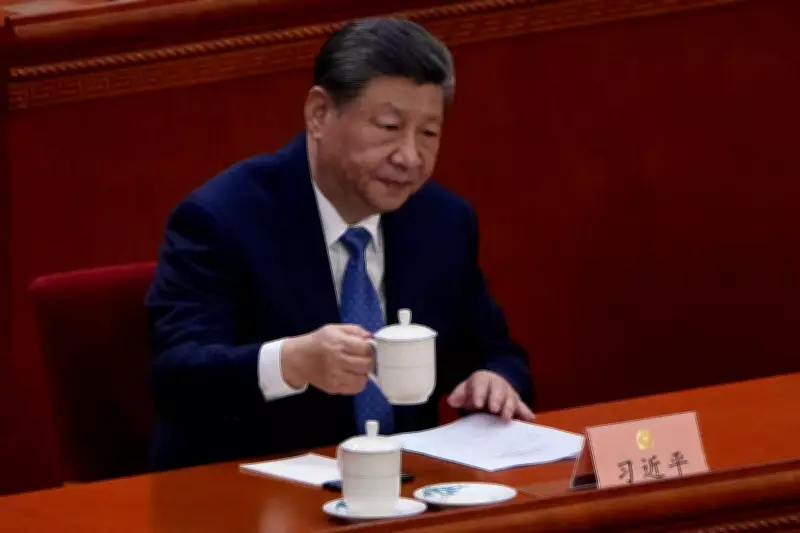
In a significant diplomatic statement, China has called for an immediate end to the ongoing war in the Middle East, warning that prolonged conflict could have devastating effects on the global economy. The appeal, made by Chinese President Xi Jinping, underscores Beijing's growing concern over regional instability and its potential to disrupt international trade and financial markets.
Xi Jinping's Call for De-escalation
President Xi Jinping emphasized the need for all parties involved in the Middle East conflict to prioritize dialogue and negotiation over military action. Speaking from Beijing, he highlighted that continued warfare not only causes humanitarian suffering but also poses a serious threat to economic stability worldwide. China's position reflects its role as a major global power seeking to mediate in international disputes, while also protecting its own economic interests tied to the region.
Economic Implications of Prolonged Hostilities
The warning from China points to several critical economic risks associated with the Middle East war. These include potential disruptions to oil supplies, increased inflation due to rising energy costs, and instability in financial markets. Analysts note that such conflicts often lead to reduced investor confidence and slower global growth, affecting everything from commodity prices to supply chains. China, as one of the world's largest economies, is particularly vulnerable to these shocks given its extensive trade networks.

China's Diplomatic Strategy
This move aligns with China's broader foreign policy objectives of promoting multilateralism and stability. By advocating for peace, Beijing aims to position itself as a responsible actor on the world stage, contrasting with other powers that may be more directly involved in the conflict. The call for a ceasefire also serves China's domestic interests, as economic turbulence abroad could impact its own development plans and trade relationships.
Global Reactions and Next Steps
While China's statement has garnered attention, it remains to be seen how other nations will respond. The international community is closely monitoring the situation, with many hoping that diplomatic pressure from major economies like China could help broker a truce. In the meantime, businesses and governments worldwide are advised to prepare for potential economic ripple effects, including contingency plans for supply chain disruptions and market volatility.
As the conflict continues, China's warning serves as a stark reminder of the interconnectedness of global politics and economics, where regional wars can quickly translate into worldwide financial challenges.