China Aims to Demonstrate Global Leadership with Iran War Diplomacy
In a significant move on the international stage, China is actively working to showcase its global leadership capabilities through diplomatic efforts aimed at mediating the Iran conflict. This initiative comes at a time when the United States appears largely uninterested in engaging with such diplomatic overtures, creating a notable contrast in foreign policy approaches between the two superpowers.
China's Diplomatic Push
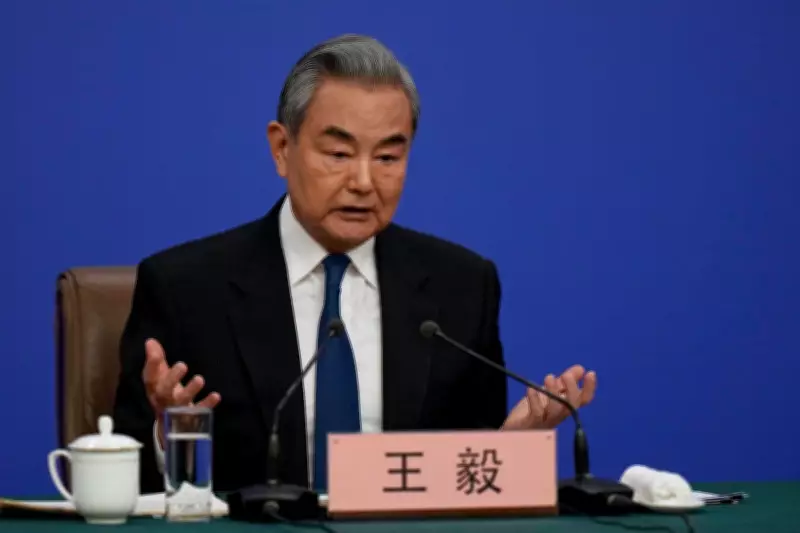
Chinese Foreign Minister Wang Yi has been at the forefront of these diplomatic endeavors, emphasizing Beijing's commitment to peaceful conflict resolution. During a recent press conference held on the sidelines of the National People's Congress in Beijing, Wang Yi outlined China's position and its willingness to serve as an intermediary in the complex Middle Eastern conflict.
The timing of China's diplomatic initiative is particularly noteworthy, as it coincides with what many observers describe as a period of American disengagement from traditional diplomatic channels in the region. This strategic positioning allows China to fill what it perceives as a leadership vacuum in international conflict mediation.

United States' Apparent Disinterest
While China actively pursues its diplomatic agenda, the United States has shown little enthusiasm for participating in or supporting these mediation efforts. This apparent lack of interest from Washington creates a stark contrast in how the two global powers are approaching the ongoing Iran conflict and broader Middle Eastern stability.
The divergent approaches highlight fundamental differences in foreign policy priorities between Beijing and Washington. China appears focused on establishing itself as a reliable diplomatic actor capable of navigating complex international disputes, while the United States seems to be prioritizing other strategic concerns or adopting a more hands-off approach to the region's conflicts.
Geopolitical Implications
This diplomatic maneuvering has significant implications for global power dynamics:
- China is positioning itself as an alternative diplomatic leader in regions traditionally dominated by Western influence
- The United States' apparent disengagement could reshape traditional alliance structures in the Middle East
- Other nations may begin to view China as a more active and reliable diplomatic partner in conflict resolution
- The situation could influence how future international crises are mediated and resolved
As China continues to expand its diplomatic footprint through initiatives like the Iran mediation efforts, the international community is closely watching how this new dynamic will affect global governance structures and conflict resolution mechanisms in the coming years.