Turkish President Proposes Ceasefire Initiative Amid Escalating Border Conflict
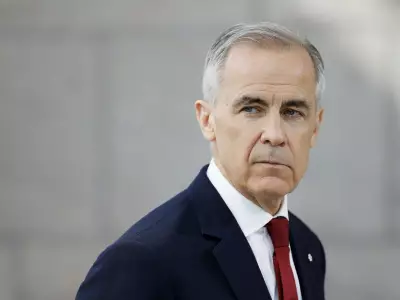
Turkish President Recep Tayyip Erdogan has formally offered to mediate a truce between Pakistan and Afghanistan as violent border clashes entered their sixth consecutive day on March 4, 2026. The escalating conflict has resulted in significant casualties and heightened regional instability, prompting international concern.
Persistent Hostilities Along the Disputed Frontier
The fighting, concentrated along the volatile Durand Line border region, has seen both sides exchange heavy artillery and small arms fire. Military officials report that the clashes have intensified over the past week, with civilian areas increasingly caught in the crossfire. Local authorities have documented multiple fatalities and injuries, though exact numbers remain contested between the two nations.
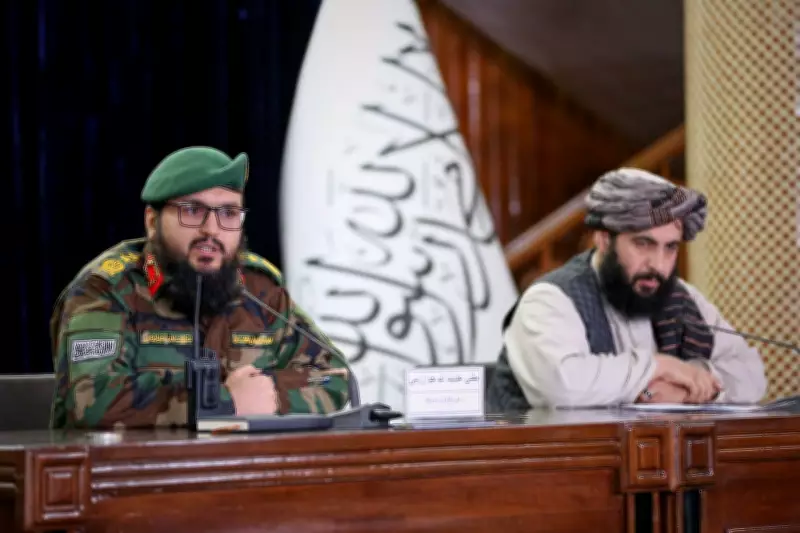
Afghan defense officials held a press conference in Kabul on March 3, where Enayatullah Khowarazmi, spokesman for the Defence Ministry, and Hamdullah Fitrat, deputy spokesman for the Islamic Emirate of Afghanistan, addressed the ongoing situation. They emphasized what they described as defensive measures against what they claim are Pakistani incursions into Afghan territory.

Erdogan's Diplomatic Intervention
President Erdogan, whose government maintains diplomatic relations with both Islamabad and Kabul, has positioned Turkey as a potential neutral arbiter. "Turkey stands ready to facilitate dialogue and help restore calm along this critical border," a senior Turkish official stated. The offer comes as both Pakistan and Afghanistan have traded accusations of aggression, with each side blaming the other for initiating the recent hostilities.
Analysts note that Erdogan's mediation attempt reflects Turkey's growing regional diplomatic ambitions and its historical ties to both Muslim-majority nations. However, previous ceasefire efforts have faltered due to deep-seated territorial disputes and mutual distrust between the neighboring countries.
Regional and International Implications
The prolonged clashes have raised alarms among international observers concerned about broader regional destabilization. Key issues include:
- Potential disruption to critical trade routes connecting Central and South Asia
- Increased humanitarian challenges for border communities
- Risks of the conflict drawing in other regional powers
- Impediments to counterterrorism cooperation in the area
United Nations officials have called for an immediate de-escalation, while other nations have urged restraint from both sides. The situation remains fluid, with diplomatic channels actively exploring potential resolutions even as military engagements continue along the contested frontier.