EU to Engage with Trump's 'Board of Peace' as Observer, Not Full Member
The European Union has announced its intention to participate in President Donald Trump's newly established 'Board of Peace,' but it will do so in an observer capacity rather than as a formal member. This decision comes after the charter for the initiative was signed during the Annual Meeting of the World Economic Forum in Davos, Switzerland, on January 22, 2026.
Details of the 'Board of Peace' Initiative
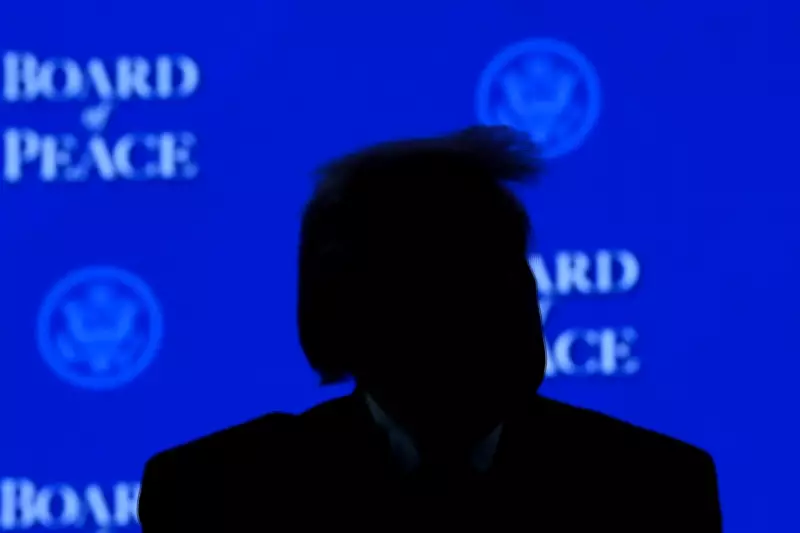
President Trump unveiled the 'Board of Peace' as a platform aimed at fostering international dialogue and conflict resolution among global leaders. The signing ceremony in Davos featured Trump listening to speakers, with the event captured in an AP photo by Evan Vucci. The board is designed to bring together representatives from various nations and organizations to discuss peace-building strategies and address geopolitical tensions.
EU's Strategic Position as Observer
By opting for observer status, the European Union maintains a level of engagement without committing to the full responsibilities and potential constraints of membership. This approach allows the EU to monitor discussions, contribute insights, and assess the board's effectiveness in promoting global stability. Officials have emphasized that this participation aligns with the EU's broader diplomatic goals of supporting peaceful resolutions while preserving its autonomy in foreign policy decisions.

Implications for International Relations
The EU's involvement, even as an observer, signals a willingness to collaborate with Trump's administration on peace initiatives, despite past differences. It reflects a pragmatic stance in navigating complex international dynamics, particularly as the board seeks to address issues like trade disputes, security threats, and environmental challenges. Analysts suggest that this move could influence other regions to consider similar observer roles, potentially expanding the board's reach and impact.
Future Prospects and Challenges
As the 'Board of Peace' moves forward, its success will depend on active participation from diverse stakeholders and tangible outcomes in conflict zones. The EU's observer status may serve as a model for other entities balancing engagement with caution. Ongoing developments will be closely watched by global observers, with potential effects on diplomatic relations and peace efforts worldwide.