Western European Nations Show Deepening Divisions Over Trump's Gaza Peace Initiative
Significant rifts are emerging among Western European countries in response to former U.S. President Donald Trump's proposed "Board of Peace" for Gaza. This development underscores the complex geopolitical landscape surrounding the ongoing Israel-Hamas conflict and international peace efforts.
Geopolitical Tensions Surface
The proposal, announced by Trump in late 2025, has sparked varied reactions across Europe. While some nations express cautious optimism about any initiative that could potentially de-escalate violence, others voice strong skepticism about the plan's feasibility and Trump's involvement in Middle Eastern diplomacy.
These divisions reflect broader disagreements within Europe about how to approach the protracted conflict. The differing positions highlight challenges in maintaining a unified European foreign policy stance on one of the world's most intractable disputes.

Context of the Proposal
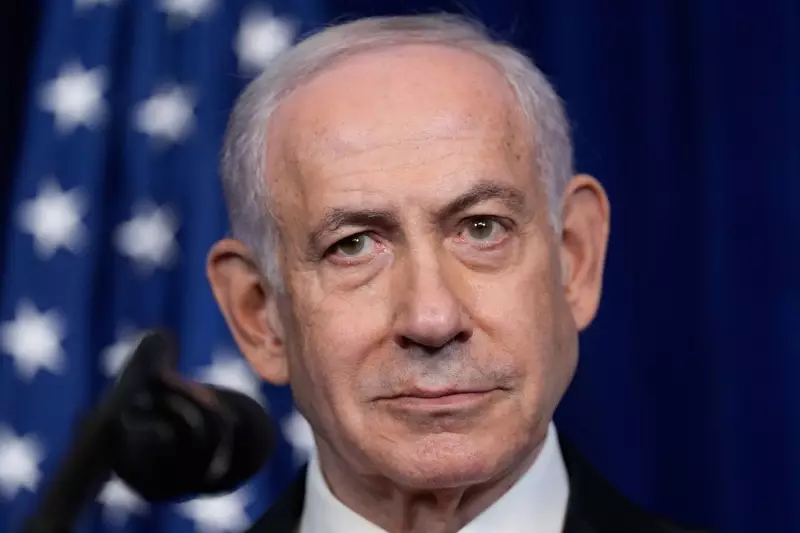
Trump unveiled his peace board concept during a news conference with Israeli Prime Minister Benjamin Netanyahu at Mar-a-Lago in December 2025. The former president framed it as an alternative approach to traditional diplomatic channels, though specific details about the board's composition, mandate, and implementation remain unclear.
This initiative comes amid continued violence in the region, with humanitarian concerns growing more pressing by the day. European nations have historically played significant roles in Middle East peace processes, making their reactions to Trump's proposal particularly noteworthy.
Implications for International Diplomacy
The European discord over Trump's plan could impact broader international efforts to address the Gaza situation. With Western nations divided, coordinated global responses become more challenging to orchestrate.
Some analysts suggest these divisions might create opportunities for other international actors to increase their influence in the region, while others worry that fragmented Western responses could prolong the conflict's resolution.
The situation continues to evolve as European governments consult with each other and with Middle Eastern partners about how to respond to Trump's unexpected diplomatic overture.