Gulf States Advocate for UN-Backed Force to Protect Critical Hormuz Shipping Lane
Foreign ministers from the Gulf Cooperation Council (GCC) nations are actively pursuing a United Nations mandate to authorize the creation of a multinational military force dedicated to protecting the Strait of Hormuz. This strategic waterway is a crucial global chokepoint for oil and gas shipments, and the initiative aims to ensure its security against emerging maritime threats.
Diplomatic Push at the United Nations General Assembly
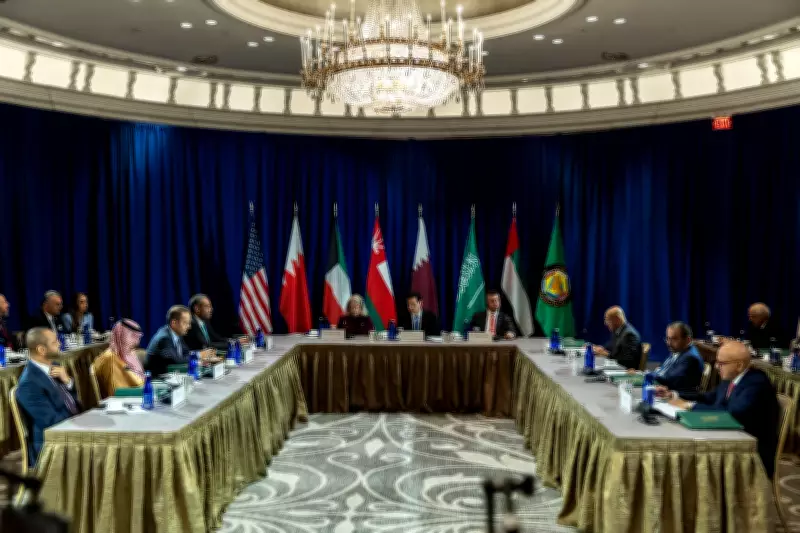
The diplomatic efforts were highlighted during meetings at the 80th session of the United Nations General Assembly in New York. The GCC, comprising Bahrain, Kuwait, Oman, Qatar, Saudi Arabia, and the United Arab Emirates, is coordinating its approach to garner international support for the proposed force. The objective is to establish a legally recognized framework under UN auspices that would facilitate coordinated patrols and rapid response capabilities in the region.
The Strait of Hormuz is one of the world's most significant maritime passages, with approximately one-fifth of global oil consumption transiting through its narrow confines. Any disruption to shipping in this area could have severe repercussions for international energy markets and economic stability. The Gulf states' proposal underscores their commitment to proactive measures rather than reactive responses to potential crises.

Addressing Regional Security Concerns
This initiative comes amid ongoing regional tensions and historical incidents that have threatened the free flow of commerce through the strait. By seeking a UN mandate, the GCC aims to legitimize the force's operations and encourage broader international participation, potentially including naval contributions from allied nations beyond the Middle East. The force would be tasked with deterring hostile actions, such as mine-laying, ship seizures, or other forms of maritime aggression.
Analysts suggest that a UN-backed force could enhance transparency and reduce the risk of unilateral escalations, fostering a more collaborative security environment. The proposal reflects a shift towards multilateral solutions in addressing complex geopolitical challenges, emphasizing the importance of international law and collective security mechanisms.
Implications for Global Trade and Energy Security
The success of this diplomatic endeavor could significantly bolster global trade security by safeguarding a vital artery of the world economy. Energy-importing nations, in particular, have a vested interest in the stability of the Strait of Hormuz, making the GCC's appeal relevant on a worldwide scale. The proposed force would not only protect regional interests but also contribute to international efforts to maintain open sea lanes.
As discussions progress, the Gulf states are expected to continue their advocacy at the UN, highlighting the strategic necessity of a mandated protection force. The outcome of these negotiations will be closely monitored by governments, industry stakeholders, and security experts globally, given the strait's pivotal role in energy logistics and economic interdependence.