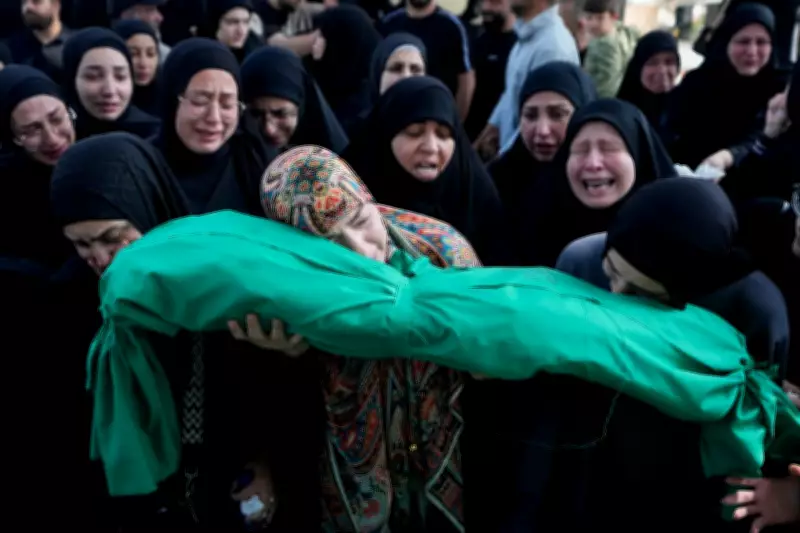
Hezbollah's leader has called on Lebanon to withdraw from direct talks with Israel, intensifying political pressure amid the ongoing Mideast conflict. The appeal comes as the region witnesses heightened violence, including an Israeli airstrike in the village of Saksakieh, southern Lebanon, which resulted in the death of a 6-month-old infant, Mariam Fahos. The incident has further inflamed tensions, with grieving families and communities demanding accountability.
Hezbollah's Stance on Negotiations
In a public statement, the Hezbollah leader argued that direct negotiations with Israel undermine Lebanon's sovereignty and national interests. He urged the Lebanese government to prioritize resistance and solidarity with Palestinian causes rather than engaging in what he described as futile diplomatic processes. This position reflects Hezbollah's long-standing opposition to recognizing Israel and its commitment to armed resistance.
Regional Implications
The call to quit talks could destabilize ongoing international efforts to mediate peace in the region. Lebanon, already grappling with economic and political crises, faces increased pressure from both domestic factions and foreign powers. The United Nations and several Western nations have expressed concern over the potential escalation, urging all parties to exercise restraint.

Meanwhile, the airstrike that killed young Mariam Fahos has drawn widespread condemnation. Human rights organizations have called for an independent investigation into the incident, which also wounded several civilians. The Lebanese government has vowed to raise the issue at international forums, though Hezbollah's强硬 stance may complicate diplomatic avenues.
Public Reaction and Future Outlook
Public sentiment in Lebanon remains deeply divided. While some support Hezbollah's resistance narrative, others fear that abandoning talks could lead to further isolation and economic hardship. The coming weeks are critical as Lebanese leaders weigh their options amidst mounting internal and external pressures.
The international community watches closely, as any shift in Lebanon's position could alter the broader dynamics of the Mideast conflict. For now, Hezbollah's call adds another layer of complexity to an already volatile situation.