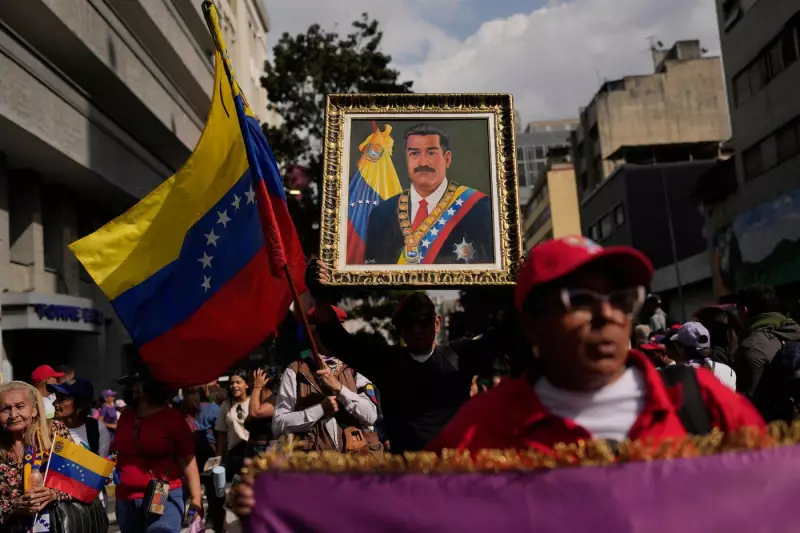
The geopolitical landscape in the Americas shifted dramatically in early January 2026, following the capture of Venezuelan President Nicolas Maduro and his wife by U.S. forces. This unprecedented intervention has sent shockwaves through international relations, with significant potential repercussions for Canada. While the situation continues to evolve, analysts are already outlining several key areas where Canada could feel the direct and indirect effects of this crisis.
Economic and Trade Repercussions for Canada
One of the most immediate concerns for Canada revolves around oil markets and global trade stability. Venezuela possesses the world's largest proven oil reserves. A period of intense instability or a change in government following the U.S. action could lead to significant volatility in global oil prices. For Canada, a major energy exporter, this presents both risks and potential opportunities. Price spikes could benefit Alberta's oil sector in the short term, but prolonged instability could disrupt global supply chains and dampen economic growth, affecting Canadian exports broadly.
Furthermore, Canada's economic ties with the United States, its largest trading partner, mean any foreign policy decision that consumes U.S. political and military attention can have trickle-down effects. Resources and diplomatic focus diverted to Venezuela could impact ongoing bilateral discussions on issues crucial to Canada, from trade disputes to continental security agreements.

Diplomatic and Foreign Policy Challenges
Canada now faces complex diplomatic calculations. Historically, Canada, alongside other Lima Group nations, has recognized opposition leader Juan Guaidó and condemned the Maduro regime's anti-democratic actions. However, a unilateral military intervention by the United States places Ottawa in a difficult position. The Canadian government must balance its support for democratic principles in Venezuela with its traditional stance of non-intervention and respect for national sovereignty.
This event will test Canada's ability to maintain an independent foreign policy voice distinct from its powerful southern neighbor. How Ottawa responds could influence its relationships with other Latin American countries and its standing on the global stage as a advocate for rules-based international order. The situation may also strain relations within the Organization of American States (OAS), where member states hold divergent views on the legitimacy of the U.S. action.
Security and Regional Stability Concerns
The intervention raises direct and indirect security considerations for Canada. An escalation of conflict in Venezuela could trigger a larger humanitarian and refugee crisis in the region. Canada may face increased pressure to accept refugees and provide humanitarian aid, stretching diplomatic and immigration resources. Additionally, regional destabilization can create fertile ground for non-state actors and organized crime, which can have transnational impacts.
From a hemispheric security perspective, a prolonged U.S. engagement in Venezuela could alter defense priorities within NORAD. While a direct military threat to Canada is unlikely, the reshuffling of U.S. strategic focus could have implications for shared continental defense projects and intelligence-sharing protocols. Canadian security agencies will be closely monitoring for any spillover effects, including cyber-activism or disinformation campaigns targeting Canadian institutions.
In conclusion, the U.S. intervention in Venezuela on January 6, 2026, is not merely a distant geopolitical event. It carries tangible consequences for Canada across multiple fronts: from the price of commodities and the stability of trade routes to the intricacies of diplomatic positioning and long-term regional security. As the situation unfolds, Canadian policymakers will need to navigate these challenges with careful consideration of both national interests and international principles.