Ceasefire in Iran Conflict Hangs by a Thread Amid Lebanon and Hormuz Disputes
A precarious ceasefire in the ongoing Middle East conflict involving Iran is teetering on the brink of collapse, as significant disagreements over Lebanon and the strategic Strait of Hormuz threaten to unravel the delicate peace agreement. The situation remains highly volatile, with key stakeholders expressing doubts about the sustainability of the deal.
Political Tensions and Conflicting Narratives
Prime Minister Carney has publicly lauded the ceasefire as a step toward stability, but underlying tensions suggest a more complex reality. The commitment of both the United States and Iran to the ten-point deal is being called into question, creating an atmosphere of uncertainty. Former U.S. official David Frum has criticized past aggressive posturing, arguing that threats against Iran signaled weakness rather than strength, highlighting the fragile diplomatic landscape.
Further complicating matters, political figures like JD Vance have reinforced claims that media reports are misrepresenting the ceasefire terms, while officials such as Leavitt have dismissed Iranian state media reports about a closure of the Strait of Hormuz as false. These conflicting narratives underscore the deep-seated mistrust and communication breakdowns that jeopardize the entire peace process.

Strategic Flashpoints: Lebanon and the Strait of Hormuz
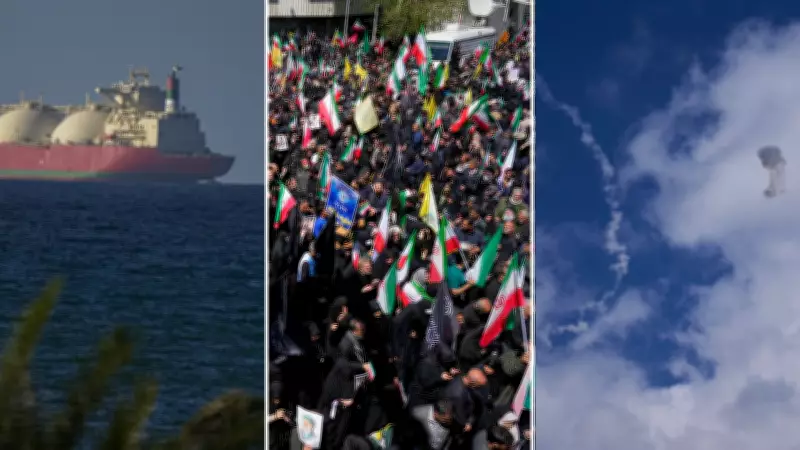
The disagreements center on two critical geopolitical flashpoints. In Lebanon, unresolved issues related to regional influence and security arrangements are fueling discord, with parties struggling to find common ground. Meanwhile, the Strait of Hormuz, a vital maritime chokepoint for global oil shipments, has become a focal point of contention. Allegations and denials regarding its status have amplified fears of a renewed escalation, potentially disrupting international trade and energy markets.
These disputes are not merely logistical; they reflect broader strategic rivalries and the high stakes involved in maintaining regional stability. The inability to resolve these points threatens to derail the ceasefire entirely, risking a return to open conflict with far-reaching consequences.
Broader Implications and Future Outlook
The fragility of this ceasefire highlights the immense challenges in achieving lasting peace in the Middle East. With political will wavering and public statements often at odds, the path forward remains uncertain. Observers warn that without genuine compromise and reinforced diplomatic efforts, the region could soon witness a resurgence of violence, impacting not only local populations but also global security dynamics.
As tensions simmer, the international community watches closely, hoping for a resolution that can withstand the pressures of disagreement and pave the way for a more stable future. The coming days will be crucial in determining whether this ceasefire can hold or if it will become another footnote in the region's troubled history.