Iran Announces Temporary Closure of Strait of Hormuz During Indirect U.S. Negotiations
In a move that has escalated regional tensions, Iran has declared a temporary closure of the Strait of Hormuz, a critical maritime chokepoint for global oil shipments. This action coincides with ongoing indirect talks between Iranian officials and the United States, highlighting the fragile state of diplomatic relations in the Persian Gulf.
Strategic Waterway Shutdown Amid Diplomatic Maneuvers
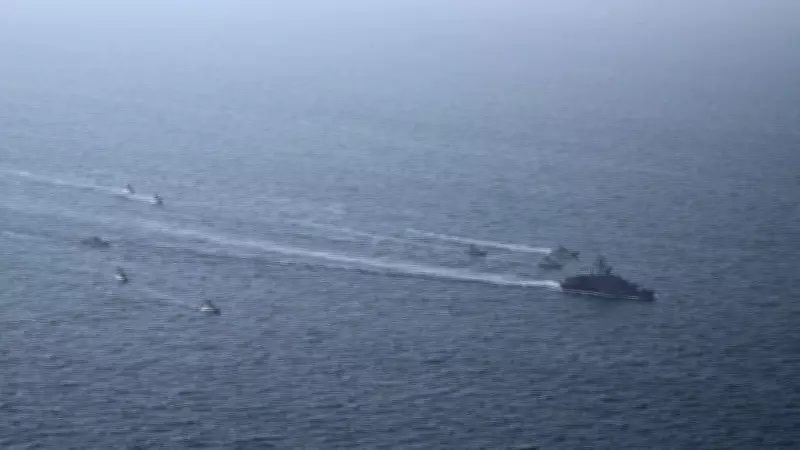
The Iranian Revolutionary Guard conducted military drills in the Persian Gulf on February 16, 2026, as confirmed by imagery released by Sepahnews. These exercises preceded the announcement of the strait's closure, underscoring Iran's military readiness in the region. The Strait of Hormuz serves as a vital passage for approximately one-fifth of the world's oil supply, making any disruption a matter of international concern.
Indirect negotiations between Iran and the U.S. have been underway, though details remain scarce. The timing of the closure suggests it may be a strategic pressure tactic during these talks, potentially linked to sanctions relief or regional security issues. Analysts note that such actions risk destabilizing an already volatile area, with implications for global energy markets.

Regional and Global Implications
The temporary shutdown raises alarms among neighboring countries and international stakeholders reliant on the strait for trade. Maritime security experts warn that prolonged closures could lead to increased oil prices and supply chain disruptions, affecting economies worldwide. Iran has historically used control of the strait as leverage in geopolitical disputes, citing its sovereignty over the waters.
Key points from the development include:
- The closure is described as temporary, but no specific duration has been provided by Iranian authorities.
- Indirect talks with the U.S. continue, though their progress and topics remain undisclosed.
- Military drills in the Persian Gulf demonstrate Iran's capability to enforce the closure.
- Global observers are monitoring for potential escalations or diplomatic breakthroughs.
This situation unfolds against a backdrop of broader regional conflicts and international efforts to address nuclear proliferation and security in the Middle East. The closure may test the resilience of diplomatic channels and prompt responses from other nations, including those in the Gulf Cooperation Council.