Iran Signals Optimism Ahead of Geneva Negotiations with United States
An Iranian delegation led by Foreign Minister Abbas Araghchi departed for Geneva on Wednesday to engage in crucial talks with the United States, with President Masoud Pezeshkian expressing a "favourable outlook" for the negotiations. This diplomatic move comes amid escalating tensions and military posturing between the two nations, raising hopes for a potential agreement to avert fresh conflict in the region.
Presidential Confidence Amidst Heightened Tensions
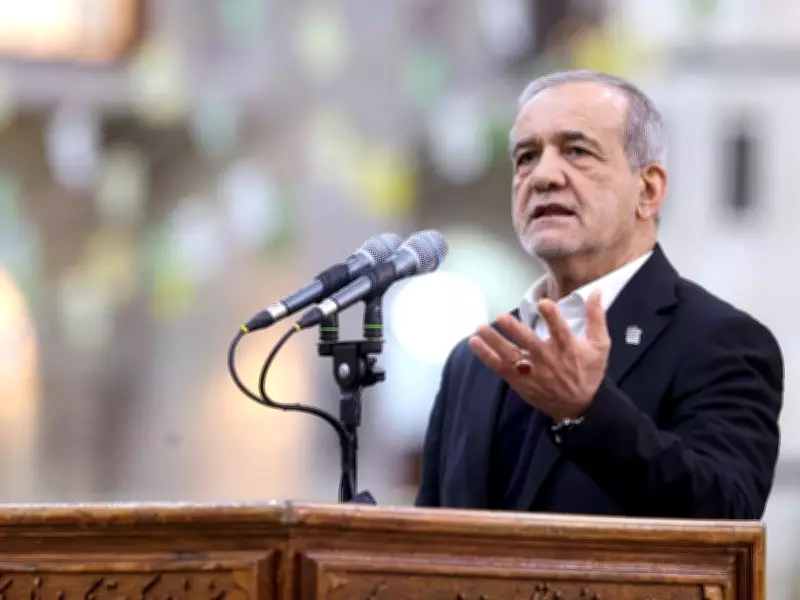
In a speech delivered on Wednesday, President Pezeshkian emphasized that Iran is "continuing the process under the guidance of the supreme leader so that we can move beyond this 'neither war nor peace' situation." This statement reflects Tehran's desire to resolve longstanding disputes through diplomatic channels rather than military confrontation.
The negotiations occur against a backdrop of recent threats from U.S. President Donald Trump, who in his State of the Union address accused Iran of pursuing "sinister nuclear ambitions" and warned of potential strikes if Tehran fails to reach an agreement on its atomic program. Trump has deployed significant military assets to the Gulf region, including two aircraft carrier groups and numerous warplanes, to reinforce these threats.

Contrasting Claims and Missile Capabilities
Trump's address included assertions that Iran has "already developed missiles that can threaten Europe and our bases overseas" and is working on weapons that could eventually reach the United States. However, Iranian officials have vehemently denied these claims.
Foreign Ministry spokesman Esmaeil Baqaei dismissed Trump's statements as "simply the repetition of 'big lies'" on Wednesday. According to publicly disclosed information from Tehran, Iran's missiles have a maximum range of 2,000 kilometers (1,200 miles), though the U.S. Congressional Research Service estimates they may reach approximately 3,000 kilometers—still less than a third of the distance to the continental United States.
Diplomatic Opportunities and Nuclear Disputes
Hours before Trump's speech, Foreign Minister Araghchi declared that both sides have "a historic opportunity" to reach an agreement, noting that a deal was "within reach, but only if diplomacy is given priority." He reiterated Iran's position that it would "under no circumstances" develop atomic weapons while insisting on the country's right to peaceful nuclear technology.
The fundamental disagreement persists: Western nations believe Iran seeks nuclear weapons capability, while Tehran maintains its program is exclusively for peaceful purposes. This dispute has been at the center of five rounds of nuclear talks held last year, which were suspended following Israel's unprecedented attack on Iran that triggered a 12-day conflict briefly involving Washington.
Public Sentiment and Regional Implications
Tehran residents expressed divided opinions when speaking to AFP on Wednesday about the possibility of renewed conflict. The uncertainty reflects broader concerns about the human cost of escalating tensions, with communities already experiencing the effects of prolonged geopolitical strain.
Trump emphasized his preference for diplomatic solutions while stating unequivocally: "I will never allow the world's number one sponsor of terror, which they are by far, to have a nuclear weapon." This hardline position contrasts with Iran's expressed willingness to negotiate, creating a complex diplomatic landscape as representatives from both nations prepare to meet in Geneva.
The outcome of these talks could significantly impact regional stability, nuclear non-proliferation efforts, and the broader Middle East security architecture. With military assets mobilized and diplomatic channels open, the Geneva negotiations represent a critical juncture in U.S.-Iran relations that will be closely watched by international observers.