Iran Dismisses Pakistan's Peace Proposal Amid Escalating Tensions
Iranian authorities have formally rejected Pakistan's two-stage peace plan aimed at ending regional hostilities and reopening the critical Strait of Hormuz. This diplomatic development comes as former U.S. President Donald Trump issued a new ultimatum demanding Iran open the strategic waterway by Tuesday evening, threatening severe military consequences if his demands are not met.
Diplomatic Rejection and Military Posturing
According to reports from Reuters, Iranian military officials declared negotiations were "incompatible with ultimatums and threats to commit war crimes" following Trump's latest deadline announcement. The Iranian position emphasizes the need for a permanent resolution to the conflict rather than temporary arrangements under pressure.
Esmail Baghaei, spokesperson for Iran's Ministry of Foreign Affairs, stated clearly that "we have formulated our own responses" to international proposals. He further explained that "Iran does not hesitate to clearly express what it considers its legitimate demands, and doing so should not be interpreted as a sign of compromise, but rather as a reflection of its confidence in defending its positions."

The Proposed Peace Framework
Pakistan's proposed agreement, supported by regional mediators including Egypt and Turkey, involved a two-phase approach:
- An immediate 45-day ceasefire to halt current hostilities
- A comprehensive deal leading to permanent conflict resolution
Field Marshal Asim Munir, Pakistan's chief of Defence Forces and Army Staff, reportedly maintained "all night long" communications with U.S. Vice President JD Vance, Mideast envoy Steve Witkoff, and Iranian Foreign Minister Abbas Araqchi in an effort to broker an agreement.
Trump's Escalating Rhetoric and Deadlines
In a series of public statements, Trump dramatically escalated pressure on Iran through both traditional media and his Truth Social platform. During a Fox News interview on Sunday, he warned that if Iran doesn't strike a deal by Tuesday, he would consider "blowing everything up and taking over the oil."
The former president specifically threatened Iranian infrastructure, stating "You're going to see bridges and power plants dropping all over their country." He later extended his previous deadline to Tuesday at 8:00 PM Eastern Time, writing on Truth Social: "Tuesday will be Power Plant Day and Bridge Day, all wrapped up in one, in Iran. There will be nothing like it!!!"
Regional Mediation Efforts Continue
Despite Iran's rejection of the current proposal, diplomatic channels remain active. According to Axios reports, regional mediators have been pushing for the 45-day ceasefire as part of the broader two-phase deal. A U.S. official confirmed that the Trump administration has passed several proposals to Tehran in recent days, though Iranian officials have not accepted any thus far.
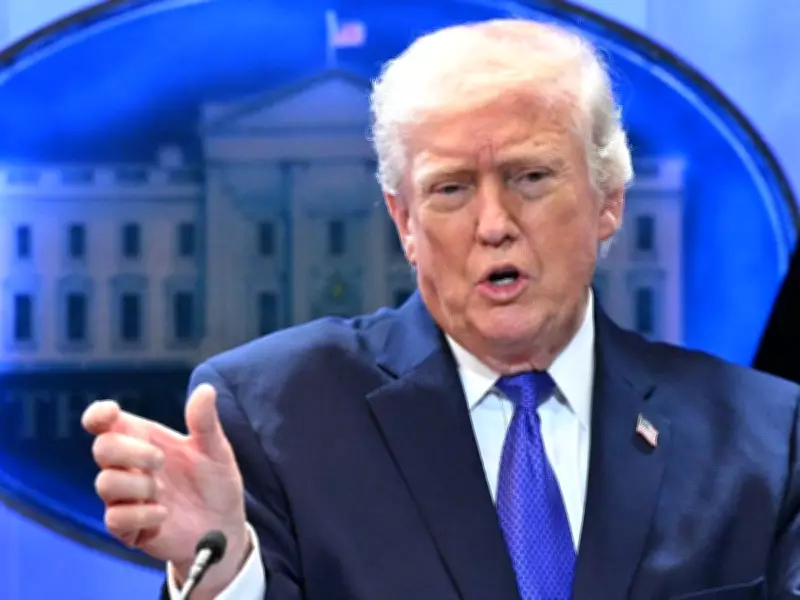
During a White House press conference on Monday, Trump reinforced his position, telling reporters "The entire country can be taken out in one night and that night might be tomorrow night." This statement followed his earlier warning that those negotiating on behalf of the Iranian regime have been granted temporary amnesty from elimination to continue talks.
The Strait of Hormuz remains a critical global chokepoint for oil transportation, with approximately 20% of the world's petroleum passing through the narrow waterway. The current standoff represents one of the most significant escalations in regional tensions in recent years, with potential implications for global energy markets and international security.