Iran Formally Rejects U.S. Ceasefire Proposal, Presents Counter-Demands
In a significant development in the ongoing Middle East conflict, Iran has officially rejected a ceasefire plan proposed by the United States. The rejection comes as military strikes continue to land across various locations in the region, further intensifying the volatile situation. Iranian authorities have not only dismissed the U.S. initiative but have also issued a series of their own demands, outlining conditions for any potential peace negotiations.
Escalating Tensions Amid Continued Strikes
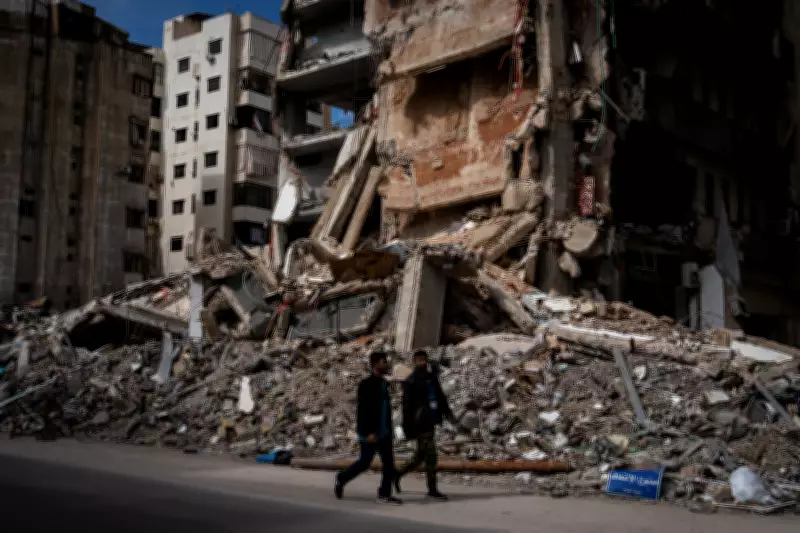
The rejection of the ceasefire plan coincides with a surge in military activity across the Middle East. Reports indicate that strikes have been occurring in multiple areas, contributing to a heightened state of alert and concern among international observers. The timing of Iran's announcement, amidst these ongoing hostilities, underscores the complex and fragile nature of diplomatic efforts in the region.
Iran's counter-demands are reported to include specific security guarantees and economic considerations, though the exact details have not been fully disclosed by official sources. This move positions Iran as taking a firm stance in the diplomatic arena, challenging U.S. influence and asserting its own priorities in the conflict resolution process.

International Reactions and Expert Analysis
The U.S. proposal, which aimed to de-escalate tensions and pave the way for peace talks, has now been met with a clear rebuff from Tehran. Military experts have noted that this rejection could complicate future negotiations, as trust between the parties appears to be a significant hurdle. One expert commented on the challenges of establishing reliable communication channels, highlighting the deep-seated mistrust that characterizes U.S.-Iran relations.
Meanwhile, the continuation of strikes across the Middle East raises urgent questions about the immediate humanitarian and security implications. Civilians in affected areas are facing increased risks, and there are growing calls from international organizations for an immediate cessation of hostilities to prevent further escalation and loss of life.
Broader Regional Implications
This development occurs within a broader context of regional instability, where various state and non-state actors are involved in complex geopolitical maneuvers. Iran's rejection of the U.S. plan may influence the positions of other regional powers, potentially leading to a realignment of alliances or further diplomatic standoffs.
The situation remains fluid, with observers closely monitoring for any signs of breakthrough or further deterioration. The international community, including the United Nations, is likely to increase its engagement in an effort to mediate and prevent a full-scale regional crisis.
As events unfold, the focus will be on whether diplomatic channels can remain open despite the rejection, and if alternative proposals might emerge to address the core issues driving the conflict.