Iran Weighs Participation in U.S. Peace Talks Hosted by Pakistan
A senior Iranian official has indicated that Tehran is actively considering attending peace negotiations with the United States, set to take place in Pakistan. This development follows efforts by Islamabad to address a major obstacle: the U.S. blockade of Iranian ports, which has hindered Iran's ability to engage in diplomatic efforts. However, the official emphasized that no final decision has been made, reflecting ongoing deliberations within the Iranian government.
Ceasefire Deadline and Diplomatic Tensions
With a two-week ceasefire scheduled to expire imminently, the situation remains precarious. The Iranian official stated that Tehran is "positively reviewing" its participation, marking a shift from earlier statements that ruled out attendance and threatened retaliation for U.S. actions. This change in tone comes as mediator Pakistan works to end the U.S. blockade and facilitate Iran's involvement in the talks.
The ceasefire faced jeopardy after the U.S. seized an Iranian cargo ship attempting to breach the blockade, prompting Tehran to vow retaliation. Iranian Foreign Ministry spokesman Esmaeil Baghaei criticized Washington, accusing it of not being serious about diplomacy and maintaining unreasonable positions. Additionally, a senior Iranian source asserted that Iran's defensive capabilities, including its missile program, are non-negotiable.

U.S. Stance and Regional Implications
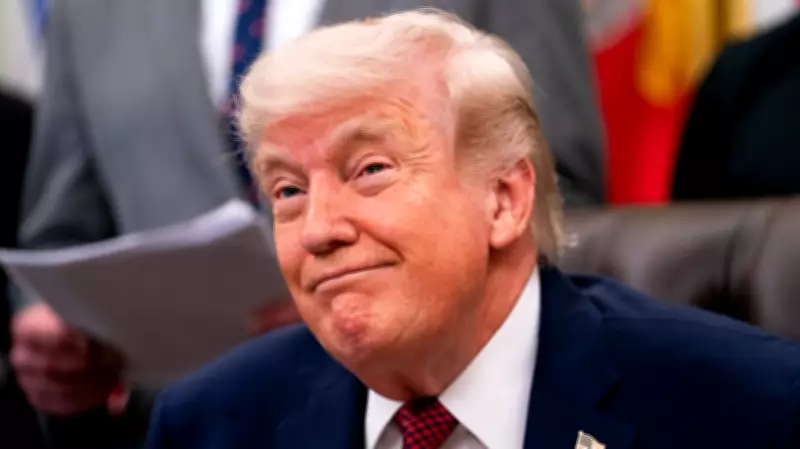
U.S. President Donald Trump announced the ceasefire on April 7, but has not specified an exact end time. A Pakistani source involved in the talks indicated it would expire at 8 p.m. EST on Tuesday, corresponding to midnight GMT or 3:30 a.m. Wednesday in Iran. When asked about a potential extension, Trump responded ambiguously, stating, "I don't know. Maybe not. Maybe I won't extend it. But the blockade is going to remain."
The U.S. has maintained its blockade of Iranian ports, while Iran has intermittently imposed its own blockade on the Strait of Hormuz, a critical waterway handling approximately one-fifth of global oil and liquefied gas supplies. This has led to heightened tensions, with oil prices rising 3-4% due to fears of a ceasefire collapse. Shipping data shows traffic through the strait nearly halted, with only three crossings in 12 hours.
Recent Incidents and International Reactions
In a recent escalation, the U.S. military fired on an Iranian-flagged cargo ship headed to Bandar Abbas port after a six-hour standoff, disabling its engines. U.S. Central Command released video footage showing Marines boarding the vessel from helicopters. Iran condemned the action as "armed piracy" and accused the U.S. of aggression, though it noted constraints due to crew members' families on board.
China, a major buyer of Iranian crude, expressed concern over the interception and called for normal passage through the Strait of Hormuz, urging resolution through diplomatic channels. Meanwhile, Trump has issued threats to destroy Iranian infrastructure if terms are rejected, to which Iran has responded with warnings of strikes on Gulf Arab neighbors' power stations and desalination plants.
Preparations for Uncertain Talks
Despite Iran's earlier reluctance, Pakistan has mobilized nearly 20,000 security personnel in Islamabad in preparation for the talks. U.S. Vice President JD Vance is expected to lead a delegation, including Trump's envoy Steve Witkoff and son-in-law Jared Kushner. Iranian parliament speaker Mohammad Baqer Qalibaf noted progress in negotiations but highlighted significant gaps on nuclear issues and the Strait of Hormuz.
European allies have expressed concerns that the U.S. negotiating team may push for a superficial deal requiring complex follow-up talks. The conflict has resulted in thousands of casualties from U.S.-Israeli strikes on Iran and an Israeli invasion of Lebanon, with a truce currently in place. Iran has retaliated with missile and drone attacks on Israel and Arab countries hosting U.S. bases.
This unfolding situation underscores the fragile nature of international diplomacy in the region, with economic and security implications reverberating globally.