Iran and U.S. Receive Draft Proposal for 45-Day Ceasefire and Strait of Hormuz Reopening
Iran and the United States have reportedly been presented with a draft proposal calling for a 45-day ceasefire and the reopening of the strategic Strait of Hormuz, according to officials familiar with the matter. The proposal was delivered late on Sunday, April 6, 2026, to Iranian Foreign Minister Abbas Araghchi and U.S. Mideast envoy Steve Witkoff, but neither country has yet responded to the initiative.
Mediators Push for Diplomatic Window
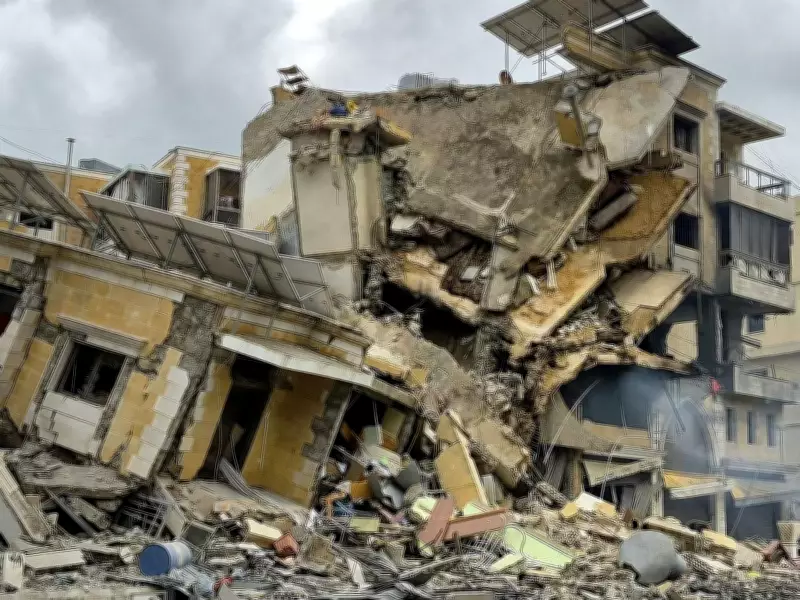
The draft was crafted by mediators from Egypt, Pakistan, and Turkey, who hope that the 45-day period will provide sufficient time for negotiations aimed at achieving a permanent ceasefire. This development comes amid escalating violence in the region, with recent attacks targeting key figures and infrastructure.
Escalating Violence and Key Incidents
In a significant escalation, Maj. Gen. Majid Khademi, the head of intelligence for Iran's paramilitary Revolutionary Guard, was killed in an airstrike in Tehran on Monday. The Israeli military confirmed responsibility for the attack, with Israeli Defence Minister Israel Katz stating, "We will continue to hunt them down one by one." Additionally, Iranian state media reported that more people were killed across Iran following strikes on multiple cities, while in Israel, four victims were found dead in Haifa after a missile strike.

U.S. Threats and Infrastructure Attacks
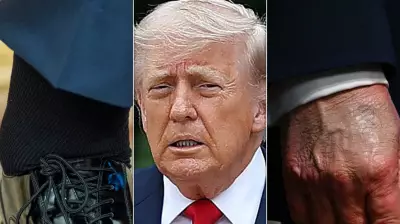
On Sunday, U.S. President Donald Trump intensified tensions by threatening to attack Iran's critical infrastructure if the Strait of Hormuz is not reopened by Tuesday. In a profanity-laced post on Truth Social, Trump warned of "Power Plant Day, and Bridge Day, all wrapped up in one, in Iran." Concurrently, Iranian media outlets reported attacks on the South Pars natural gas field, blaming Israel and the U.S., though neither country immediately claimed responsibility.
Human Rights Concerns and Executions
Amid the conflict, Iran executed Ali Fahim, a man convicted over charges related to the nationwide protests in January. According to Amnesty International, Fahim and others were subjected to torture and forced confessions before unfair trials. This highlights ongoing human rights issues within Iran during the turmoil.
Regional Implications and Future Prospects
The proposal for a temporary ceasefire represents a critical opportunity for de-escalation, but its success remains uncertain given the deep-seated hostilities and recent violent incidents. As mediators urge both sides to engage in talks, the international community watches closely, hoping for a breakthrough that could stabilize the volatile Middle East region.