Iran Delivers Direct Warning to Former U.S. President Trump
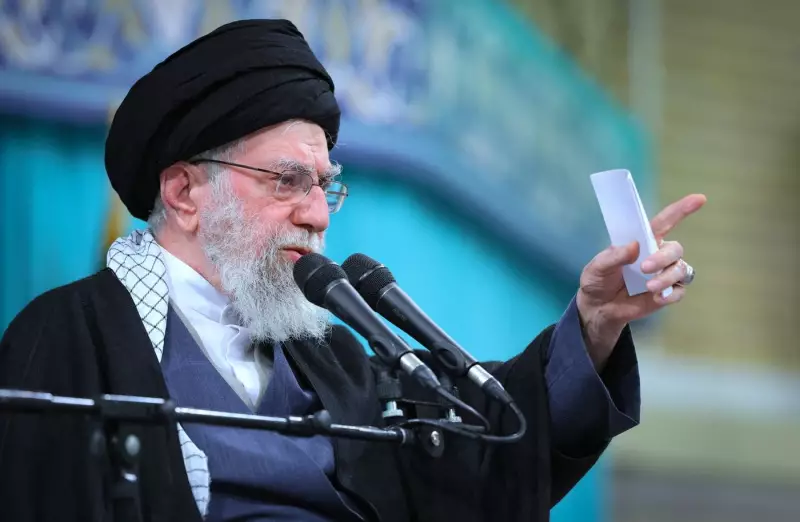
In a significant diplomatic development, Iranian authorities have issued a stern warning to former United States President Donald Trump, explicitly cautioning against any potential actions targeting the country's Supreme Leader, Ayatollah Ali Khamenei. This official communication represents a notable escalation in rhetoric between the two nations, which have maintained a tense relationship for decades.
Context of the Diplomatic Warning
The warning comes amid renewed geopolitical tensions and follows recent public statements from Trump regarding his administration's approach to Iran policy. While specific details of the communication remain confidential, sources indicate the message was delivered through diplomatic channels and emphasized the serious consequences that would follow any action perceived as targeting Iran's leadership structure.
Ayatollah Ali Khamenei, who has served as Iran's Supreme Leader since 1989, represents the highest authority in the country's political and religious hierarchy. His position makes him a central figure in Iranian governance and a symbol of the nation's sovereignty, which Iranian officials are now explicitly defending against potential external threats.

Background of U.S.-Iran Relations
The relationship between the United States and Iran has been characterized by significant tension throughout multiple administrations. During Trump's presidency, his administration pursued a maximum pressure campaign against Iran, which included withdrawing from the nuclear agreement known as the Joint Comprehensive Plan of Action (JCPOA) and imposing extensive economic sanctions.
These policies created substantial strain between the nations, with Iranian officials frequently condemning what they described as American aggression and interference in regional affairs. The current warning appears to be a preemptive measure aimed at deterring any potential escalation should Trump return to political prominence or influence future U.S. foreign policy decisions regarding Iran.
Regional and Global Implications
This development occurs within a complex regional context where multiple Middle Eastern nations are navigating shifting alliances and security concerns. The explicit warning regarding the Supreme Leader underscores how seriously Iranian authorities view potential threats to their leadership structure and indicates their willingness to respond forcefully to perceived challenges to their sovereignty.
International observers are closely monitoring this exchange, as it could signal broader shifts in diplomatic posturing between Iran and Western nations. The warning also highlights the ongoing significance of personal relationships between national leaders in international diplomacy, even when those leaders are no longer in official government positions.
Potential Consequences and Future Developments
While the immediate practical implications of this warning remain unclear, experts suggest it could influence several areas:
- Diplomatic communications between Iran and the United States
- Regional security dynamics in the Middle East
- International negotiations regarding Iran's nuclear program
- Economic considerations related to sanctions and trade
The Iranian government has historically demonstrated a willingness to respond to perceived threats through various means, including diplomatic protests, economic countermeasures, and support for regional allies. This latest warning serves as a reminder of the delicate balance that characterizes U.S.-Iran relations and the potential for rapid escalation when leadership figures become focal points of international disputes.
As global attention turns to this development, analysts will be watching for responses from both American political figures and other international stakeholders with interests in Middle Eastern stability. The explicit nature of the warning regarding Supreme Leader Khamenei represents a significant moment in the ongoing diplomatic narrative between these two nations with a long history of confrontation and limited cooperation.