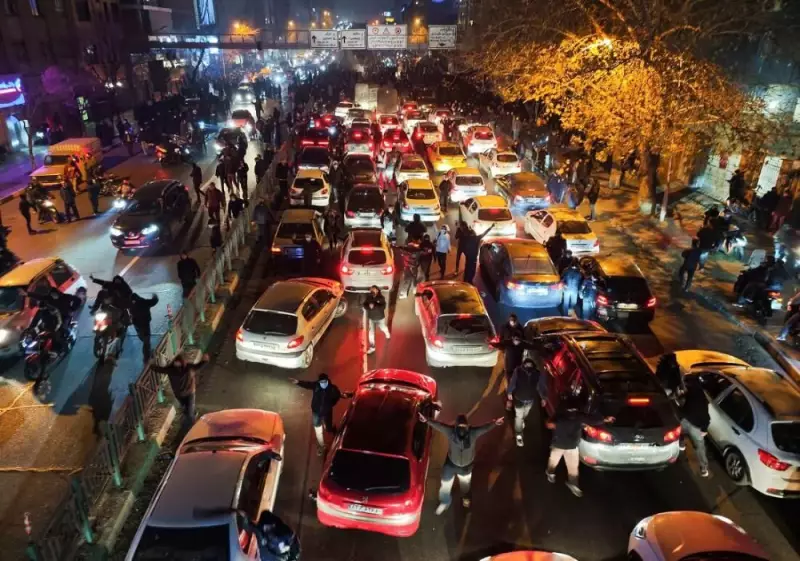
In a rare and significant admission, Iran's Supreme Leader Ayatollah Ali Khamenei publicly stated that 'several thousand people' lost their lives during the recent wave of anti-government demonstrations that swept the nation. This marks the first time the country's highest authority has acknowledged the deadly scale of the unrest.
A Landmark Admission and Accusations
The statement was delivered during a public meeting broadcast on state television on Saturday, January 17, 2026. Khamenei did not mince words, asserting that some of those killed died 'brutally and inhumanely,' though he provided no specific details to support this claim.
In a move that shifts blame externally, the Supreme Leader accused the United States and Israel of aiding in the killings. He claimed the Islamic Republic possesses evidence to back this allegation. Khamenei also singled out former U.S. President Donald Trump, holding him culpable for the 'deaths, damage, and accusations he has inflicted on the Iranian people.'

He framed Washington's broader objective as an attempt to place Iran under total military, political, and economic domination. Despite the heightened tensions, Khamenei insisted that Iran does not seek to push the country toward war but vowed that neither domestic nor international criminals would go unpunished.
Unprecedented Internet Blackout and Rising Toll
The protests, which were sparked by a currency crisis in late December, have occurred against the backdrop of a record-long nationwide internet blackout. Authorities shut down internet and mobile phone services on January 8 in an effort to quell the unrest, severing most of Iran's 92 million citizens from the global internet for over nine days.
Internet monitoring group NetBlocks reported that connectivity had plummeted to about 2% of normal levels, surpassing the duration of the shutdown imposed during the 2019 protests. While semi-official news agencies like Mehr and Fars reported partial restoration of services and text messages by January 17, NetBlocks noted only a 'very slight rise' with no significant return to normalcy.
Khamenei's suggested death toll aligns with estimates from human rights organizations, which believe approximately 3,500 people perished in the crackdown. These groups further estimate that more than 22,000 individuals have been detained.
Implications and the Path Forward
The Supreme Leader's admission is a stark departure from the government's usual reticence to discuss casualty figures, potentially indicating the severe pressure the regime is under. The near-total communications blackout has become a standard tool for Iranian authorities during crises, redirecting users to a government-controlled domestic network isolated from the wider web.
This strategy has made verifying events on the ground extremely difficult and has cut off a population heavily reliant on platforms like Telegram, Instagram, and X (formerly Twitter), even when accessed via VPNs. The ongoing situation presents a critical challenge to Iran's stability, with the leadership attempting to balance internal accountability with a narrative of foreign interference.
The world continues to watch as Iran navigates this period of intense domestic turmoil, with the true human cost and long-term political consequences still unfolding.