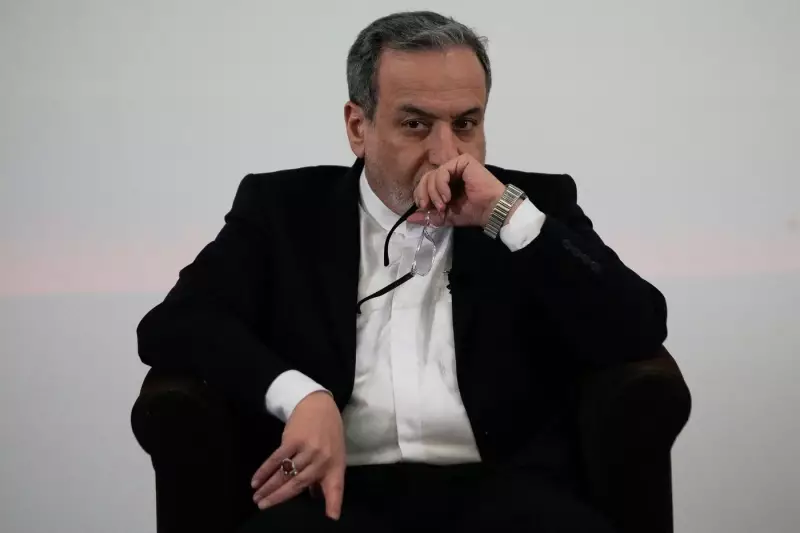
Iran's Foreign Minister Delivers Unprecedented Warning to United States
In a significant escalation of diplomatic tensions, Iranian Foreign Minister Abbas Araghchi has issued the most direct and explicit threat to the United States from Tehran in recent memory. This stark warning comes as the Iranian government faces mounting internal pressure from widespread protests, leading to a severe domestic crackdown that is squeezing the nation's social and political fabric.
Diplomatic Tensions Reach New Heights
The threat, delivered during a high-profile international engagement, represents a notable hardening of Iran's foreign policy stance. Foreign Minister Araghchi's remarks signal Tehran's willingness to adopt a more confrontational approach toward Washington, potentially altering the dynamics of Middle Eastern geopolitics. This development occurs against a backdrop of longstanding animosity between the two nations, which has been exacerbated by recent regional conflicts and nuclear negotiations.
Domestic Unrest Intensifies Government Response
Simultaneously, Iran is grappling with substantial internal dissent, as citizens across the country continue to protest against governmental policies and economic conditions. The administration's response has been characterized by an increasingly harsh crackdown, involving heightened security measures and restrictions on civil liberties. This dual pressure—external diplomatic confrontation and internal civil unrest—places the Iranian leadership in a precarious position, potentially influencing both domestic stability and international relations.

Analyzing the Broader Implications
Experts suggest that Araghchi's direct threat may serve multiple purposes: rallying domestic nationalist sentiment, asserting Iran's sovereignty on the global stage, and possibly diverting attention from internal challenges. However, this aggressive posture risks further isolating Iran internationally and could provoke stronger responses from the U.S. and its allies. The situation underscores the complex interplay between domestic governance and foreign policy in nations experiencing significant internal turmoil.
As the crackdown on protests persists, observers are closely monitoring whether Iran's diplomatic strategy will evolve, and how the United States might respond to this unprecedented verbal escalation from a key regional adversary.