In a move highlighting growing diplomatic tensions, the Israeli government has formally registered its objection to a recent announcement from the United States. The U.S. had named specific leaders who would play a role in overseeing the next steps for the Gaza Strip following the ongoing conflict with Hamas.
A Diplomatic Dispute Emerges
The core of the disagreement stems from the United States' decision to publicly identify individuals slated to be involved in post-conflict planning for Gaza. Israel has taken issue with this announcement, viewing it as premature and potentially undermining its own strategic and security interests in the region. The objection was communicated directly to U.S. officials, marking a rare public divergence between the two allies on a key policy matter.
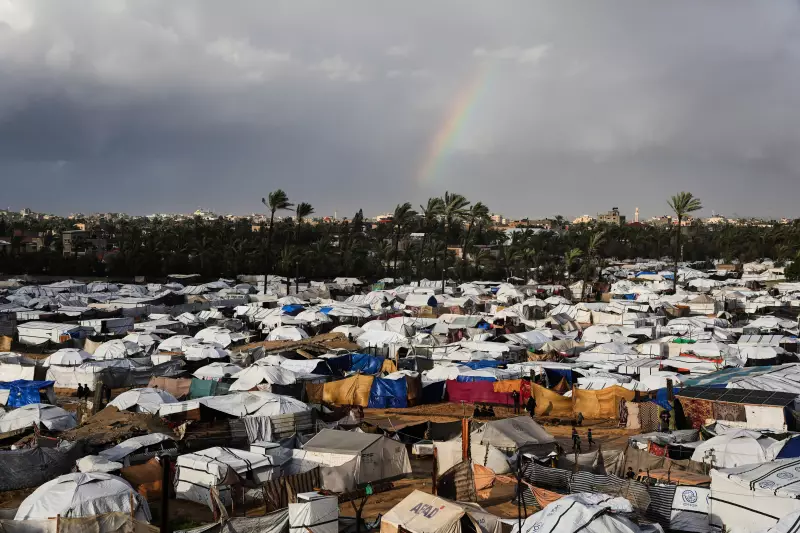
This development comes amid a fragile and complex situation in Gaza. The conflict, which reignited in late 2023, has resulted in significant devastation and a dire humanitarian crisis. The question of who governs Gaza and how it is rebuilt after the war is a point of intense international debate and disagreement.

The Stakes for Gaza's Future
The U.S. proposal for an oversight mechanism is seen as part of broader efforts to establish a credible Palestinian authority in Gaza that could eventually lead to a two-state solution. However, Israel's immediate rejection signals a deep skepticism about the proposed framework and the individuals involved. Israeli officials have consistently stated that they will not accept any postwar arrangement that leaves security control in the hands of actors they deem hostile, such as Hamas or the Palestinian Authority in its current form.
The timing of this dispute is critical. With military operations continuing, the lack of a coordinated vision for the "day after" in Gaza creates a dangerous vacuum. Humanitarian agencies warn that without a clear political horizon and massive reconstruction, the cycle of violence is likely to repeat. The Israeli objection throws a wrench into Washington's attempts to rally regional and international partners around a unified plan.
Implications for the U.S.-Israel Alliance
This public disagreement underscores the challenges facing the long-standing U.S.-Israel partnership. While American military and diplomatic support for Israel remains robust, differences over the ultimate political goals for Gaza and the wider Israeli-Palestinian conflict are becoming increasingly difficult to manage. The Biden administration is pushing for a revitalized peace process, while the current Israeli government is focused squarely on the military defeat of Hamas and is resistant to external dictates on Gaza's future governance.
For Canada, a close ally of both nations, this rift presents a diplomatic challenge. Canada has traditionally supported a two-state solution and has expressed deep concern over the humanitarian situation in Gaza. Ottawa will likely watch closely as this dispute unfolds, balancing its support for Israel's right to self-defense with its commitment to international law and a sustainable peace. The outcome of this disagreement could significantly influence the trajectory of the conflict and the prospects for long-term stability in the Middle East.