Israeli Citizens Express Solidarity with Iranian People Amid Rising Tensions
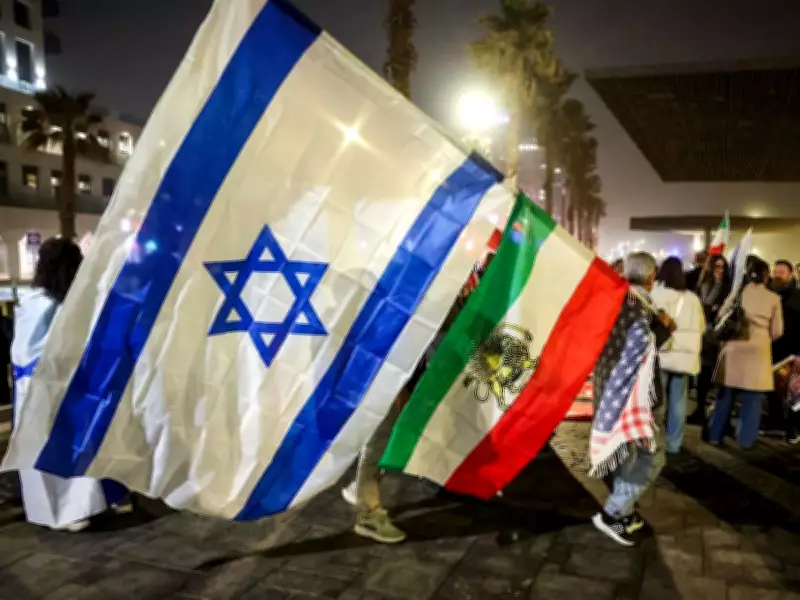
As the prospect of military conflict between the United States and Iran appears increasingly likely, residents of Tel Aviv are drawing a clear distinction between the Iranian people and their government. Despite facing the threat of missile attacks, many Israelis express genuine affection and solidarity with ordinary Iranians, whom they view as fellow victims of Tehran's Islamic regime.
Affection Across Political Divides
Myriam Azogui-Halbwax, Mission Director of the Centre for Israel and Jewish Affairs, articulated this sentiment during an interview outside a Tel Aviv cafe. "The Iranian people are, I think, the bravest people in the world today, especially the women," she stated. "They're fighting alone with no weapons. They're fighting for freedom."
Azogui-Halbwax emphasized that Israeli "hearts are bleeding" for Iranians suffering under government oppression, adding that the "entire country" supports their struggle. "We stand with you, and we don't want Iranian people to be hurt in this war," she declared, while acknowledging the potential costs of conflict. "Same way, we don't want Israeli people to be hurt in this war, but we know, and you know, that war is not a picnic."

Historical Bonds and Cultural Connections
This perspective is not isolated. During interviews conducted in Tel Aviv and Jerusalem, numerous Israelis expressed similar views, consistently distinguishing between the Iranian population and their government. Jessica Cohen, a 34-year-old activist, highlighted the deep historical connections between the two peoples. "We have this bond with the Iranian people. We're very good friends," she explained.
Cohen pointed to the legacy of Cyrus the Great, the Persian king who liberated exiled Jews from Babylonian captivity and permitted their return to build the Second Temple. This historical figure serves as a cultural bridge between Jewish and Iranian communities, revered by both for his tolerant leadership.
Following the 1979 Islamic Revolution, many Iranian Jews fled to Israel, bringing their traditions, language, and cuisine. Today, individuals of Iranian descent constitute approximately two to three percent of Israel's population, making Persian heritage an integral part of the country's diverse cultural landscape.
Shared Hopes for Regional Transformation
Cohen expressed optimism about future relations, anticipating a time when Iranians and Israelis could visit each other freely. "Listen, it's happening. The Iranian regime is going to go," she predicted. "Either you guys are making it happen through the protest, or we, or the United States, are making the Iranian regime fall."
Other Israelis, including two older women identified as Mira and Nurit, echoed these sentiments, describing the Iranian people as victims of what they termed an "evil" and Nazi-like regime. They emphasized their admiration for Iran's ancient, sophisticated civilization while condemning its current government.
Broader Implications for Middle East Relations
This widespread distinction between the Iranian populace and their leadership suggests a nuanced understanding of regional dynamics among ordinary Israelis. Despite the looming threat of conflict, many maintain hope for a transformed Middle East where peaceful coexistence becomes possible.
As tensions escalate, these expressions of solidarity highlight the complex human dimensions of geopolitical conflicts, revealing enduring cultural connections that transcend political divisions and government hostilities.