Kushner's Gaza Reconstruction Plan Confronts Significant Challenges
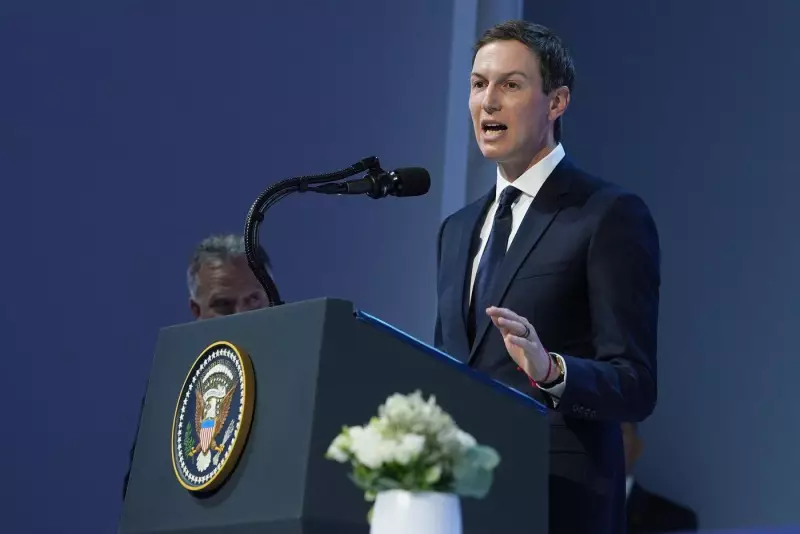
Jared Kushner, former senior advisor to the U.S. government, has presented a comprehensive vision for the reconstruction of Gaza following the Israel-Hamas conflict. However, this ambitious proposal is encountering substantial political and logistical obstacles that may impede its implementation.
Political and Logistical Hurdles
The plan, which was discussed during the World Economic Forum in Davos, Switzerland, faces a complex web of challenges. These include securing international funding, navigating the delicate political landscape of the Middle East, and ensuring coordination among various stakeholders. The involvement of multiple international actors and the need for consensus on governance structures add layers of difficulty to the initiative.
Furthermore, the ongoing tensions in the region and the historical context of previous reconstruction efforts highlight the potential for setbacks. Analysts point out that without broad-based support and a clear framework for execution, Kushner's vision may struggle to move beyond the conceptual stage.

Broader Implications for Peace and Stability
The success or failure of this reconstruction plan could have significant implications for long-term peace and stability in the region. Effective rebuilding efforts are often seen as a cornerstone for sustainable post-conflict recovery, but they require careful planning and international cooperation.
As discussions continue, the international community will be closely monitoring developments to assess the feasibility of Kushner's proposals and their potential impact on the broader Middle East peace process.