Los Angeles Mayor Calls for Leadership Change in 2028 Olympic Committee
In a significant development for the upcoming 2028 Olympic and Paralympic Games, Los Angeles Mayor Karen Bass has formally requested that Casey Wasserman resign from his position as chairman of the Los Angeles Organizing Committee. This move comes amid growing concerns about the committee's governance structure and decision-making processes as preparations for the global sporting event intensify.
Background of the Controversy
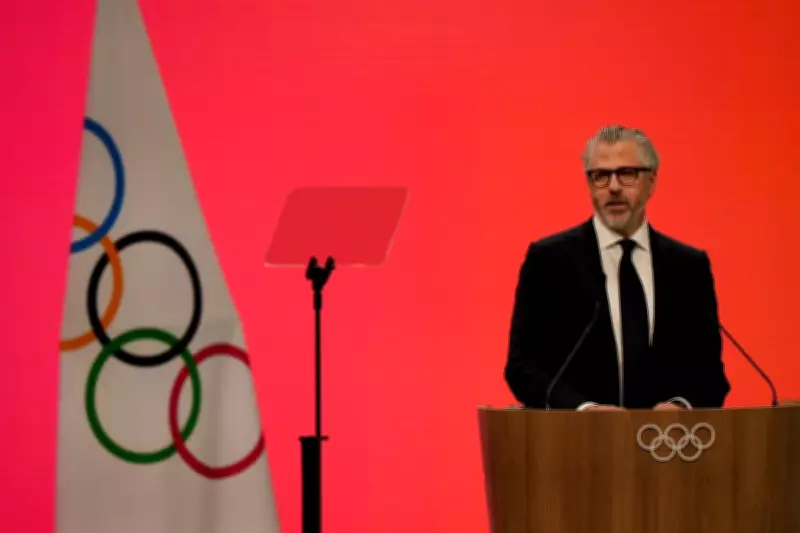
Casey Wasserman, a prominent sports executive and philanthropist, has served as chairman of the LA28 organizing committee since its inception. He recently spoke at an International Olympic Committee meeting in Milan, Italy, in February 2026, outlining the city's preparations for hosting the games. However, Mayor Bass has expressed dissatisfaction with the current leadership direction, believing that new leadership is necessary to ensure the games' success and proper management of public resources.
The mayor's office has emphasized that this request is not related to any specific misconduct but rather reflects a strategic decision about the committee's future direction. Sources close to the administration indicate that Bass wants to implement a more transparent and accountable governance model as the games approach.

Implications for Olympic Preparations
This leadership challenge comes at a critical juncture for the 2028 Olympics, with less than two years remaining until the opening ceremonies. The organizing committee faces numerous logistical challenges, including venue construction, transportation planning, and security arrangements. A change in leadership could potentially disrupt these preparations, though city officials argue that early intervention now could prevent larger problems later.
The Los Angeles Organizing Committee has not yet issued an official response to the mayor's request. Wasserman, who comes from a family with deep roots in entertainment and sports management, has been instrumental in securing the games for Los Angeles and developing the initial organizational framework.
Broader Context of Olympic Governance
This situation reflects ongoing tensions between municipal governments and Olympic organizing committees worldwide. Host cities increasingly demand greater oversight and accountability from games organizers, particularly regarding:
- Budget management and cost overruns
- Community impact and displacement concerns
- Environmental sustainability commitments
- Legacy planning for post-games facilities
Los Angeles previously hosted the Summer Olympics in 1932 and 1984, with the 1984 games notably producing a financial surplus under the leadership of Peter Ueberroth. The 2028 games represent an opportunity to build on this legacy while addressing contemporary challenges in mega-event hosting.
The coming weeks will likely see increased dialogue between city officials and Olympic organizers as they navigate this leadership transition. The International Olympic Committee typically prefers stability in local organizing committees but must also respect the authority of host city governments in such matters.