10-Day Lebanon Ceasefire Holds as European Leaders Convene Over Strait
BEIRUT, Lebanon – A 10-day ceasefire announced by U.S. President Donald Trump and agreed upon by Lebanon and Israel appeared to be holding firm on Friday, April 17, 2026, raising hopes for an extension of the broader truce between Iran, the United States, and Israel. The pause in hostilities, which followed almost seven weeks of intense conflict, has been described by U.S. officials as a critical first step toward lasting peace.
Ceasefire Stability and Broader Implications
The ceasefire, which began on Thursday night, has largely halted fighting between Israel and the Hezbollah militant group in Lebanon. While it remains uncertain whether a permanent deal between the U.S. and Iran can be finalized before the ceasefire expires next week, the current lull in violence suggests that diplomatic progress is being made. Israeli Prime Minister Benjamin Netanyahu stated that he agreed to the ceasefire to advance peace efforts with Lebanon, emphasizing that Israeli troops would not withdraw from their positions.
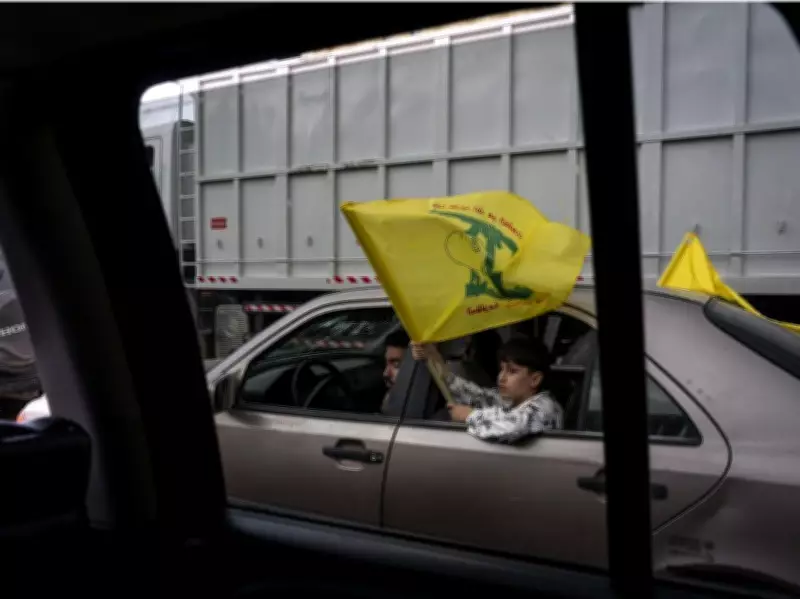
Hezbollah, an Iran-backed group, has maintained that any ceasefire must be comprehensive across all Lebanese territory and should not permit Israeli forces any freedom of movement. The group's key demands include a complete ceasefire, withdrawal of Israeli troops, the return of displaced Lebanese citizens, the release of prisoners held by Israel, and reconstruction efforts in war-torn areas.

Diplomatic Efforts and Key Sticking Points
Mediators are actively working to address three primary sticking points in the negotiations:
- Iran's Nuclear Program: Discussions continue over Tehran's nuclear ambitions and compliance with international agreements.
- Strait of Hormuz: European leaders are scheduled to meet to discuss security and navigation issues in this critical waterway, which is vital for global oil shipments.
- Compensation for Wartime Damages: Financial reparations for destruction caused during the conflict remain a contentious topic.
On Thursday, Pakistan's army chief met with Iran's parliament speaker to advocate for an extension of the ceasefire, highlighting the international community's involvement in de-escalation efforts.
Hezbollah's Perspective and Iranian Involvement
Hassan Fadlallah, a senior Hezbollah lawmaker, revealed that Iran informed the militant group's leadership about the truce hours before President Trump's public announcement. "Yesterday, before the ceasefire, Hezbollah's leadership was formally informed around 4 a.m. from the Iranian ambassador that there will be a ceasefire at night," Fadlallah told reporters in the southern Beirut suburb, which has suffered significant damage.
He praised Iran's diplomatic efforts, noting that calls between Iran, Saudi Arabia, and Pakistan were "encouraging and facilitating for a ceasefire as a first step." Despite this, Hezbollah's core positions on the conflict have not shifted.
U.S. and International Reactions
Tom Barrack, the U.S. special envoy to Syria and ambassador to Turkey, addressed a diplomacy conference in Turkey on Friday, calling the Israel-Hezbollah ceasefire a "brilliant" move that ended "senseless killing." He credited President Trump and Secretary of State Marco Rubio for their strong intervention, describing the ceasefire as "the beginning of a road" but cautioning that the situation remains delicate due to historical distrust among parties.
"This is just the beginning of a road, and the ceasefires are so delicate because everybody's been equally untrustworthy," Barrack said. "Everybody is in atrophy over this idiotic war. So will the ceasefire stick? What will we do? It's baby steps."
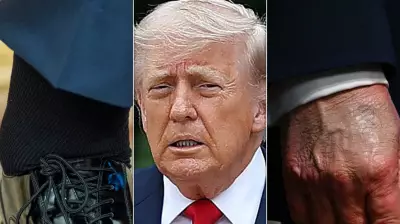
In posts on Truth Social, President Trump hailed the ceasefire as a "historic day for Lebanon" and expressed hope that Hezbollah would "act nicely and well," suggesting that cooperation could lead to a "GREAT moment" for the group.

The ceasefire's stability in Lebanon is being closely monitored as European leaders prepare to discuss the Strait of Hormuz, underscoring the interconnected nature of regional conflicts and international diplomacy. The coming days will be crucial in determining whether this pause in fighting can evolve into a more enduring peace agreement.