The international legal order faces a profound test following the unprecedented capture of Venezuela's deposed president, Nicolás Maduro, by United States authorities. The event, which occurred in early January 2026, has sent shockwaves through diplomatic circles and raised immediate concerns about its implications for global norms and Canada's economic interests.
A Daunting Legal Precedent and Global Fallout
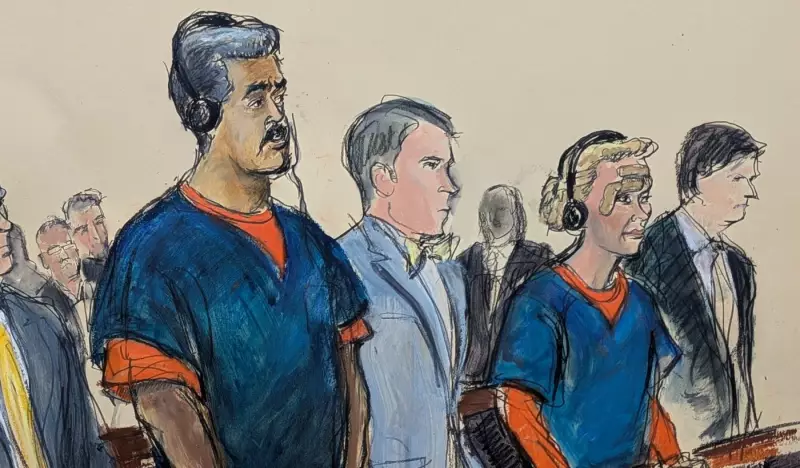
Following the dramatic military operation, Maduro has declared himself a prisoner of war and entered a plea of not guilty in a New York court. Legal experts describe the U.S. government's next steps as a "daunting task" to legally prove the Venezuelan leader's guilt. The action has been labeled by some, like former CIA director David Petraeus, as an "extraordinarily impressive display of American military power." However, it has also prompted serious questions about the future of Venezuela's political process and election system in the wake of its leader's seizure.
Former U.S. National Security Advisor John Bolton offered a tempered outlook, suggesting, "I don't think things are going to change very much" regarding the situation in Venezuela. Meanwhile, the bold move has drawn criticism and concern from Canadian officials, with a former foreign affairs minister openly questioning Canada's official response to the arrest.

Direct Implications for Canada's Energy Sector
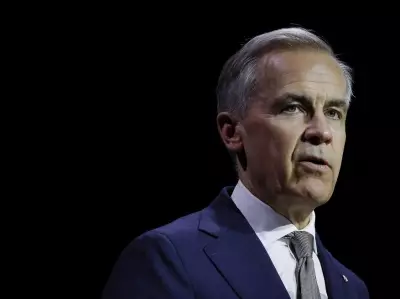
The ripple effects of the regime change in Venezuela are being felt acutely in Canada's oil industry. Prime Minister Mark Carney has sought to reassure markets, stating that Canadian oil will remain competitive following Maduro's ouster. This comment directly addresses anxieties that a shift in control over Venezuela's vast oil reserves could alter global energy dynamics and impact demand for Canadian exports.
The U.S. move to secure Venezuelan oil assets has specifically raised concerns for Canadian energy stakeholders, who are now assessing the long-term strategic and economic consequences of this new reality in the Western Hemisphere.
A Blueprint for Future Action?
The audacious operation has sparked debate about its potential use as a model for other geopolitical ambitions. Analysts have suggested that Trump's actions in Venezuela served as the "blueprint" for a previously discussed idea of a U.S. takeover of Greenland, highlighting how this event could normalize extraordinary interventions in sovereign affairs.
As the world watches Maduro's legal proceedings unfold, the fundamental questions posed by this event remain unanswered. It challenges long-standing principles of international law, sovereignty, and the right of nations to pursue independent foreign policy, leaving allies like Canada to navigate a newly uncertain geopolitical landscape.