Mexican Navy Ships Deliver Humanitarian Aid to Cuba Amid Energy Crisis
In a significant display of regional cooperation, Mexican Navy ships have docked in Havana, Cuba, carrying vital humanitarian aid. This move comes as Cuba grapples with a severe energy crisis, intensified by the longstanding U.S. economic blockade. The arrival of the vessels underscores efforts to support the island nation during a period of critical need.
Context of the Energy Crisis in Cuba
The energy crisis in Cuba has been worsening, with frequent blackouts and fuel shortages affecting daily life and economic activities. Experts attribute this situation largely to the U.S. blockade, which has restricted Cuba's access to international markets and resources for decades. The blockade has hindered the country's ability to import necessary equipment and fuel, exacerbating infrastructure challenges and leading to widespread power outages.
Humanitarian efforts from neighboring countries like Mexico are becoming increasingly important. The Mexican Navy's deployment includes supplies such as food, medical equipment, and possibly fuel, aimed at alleviating some of the immediate hardships faced by the Cuban population. This aid shipment is part of a broader trend of Latin American nations stepping in to provide support amidst geopolitical tensions.

Details of the Mexican Navy's Mission
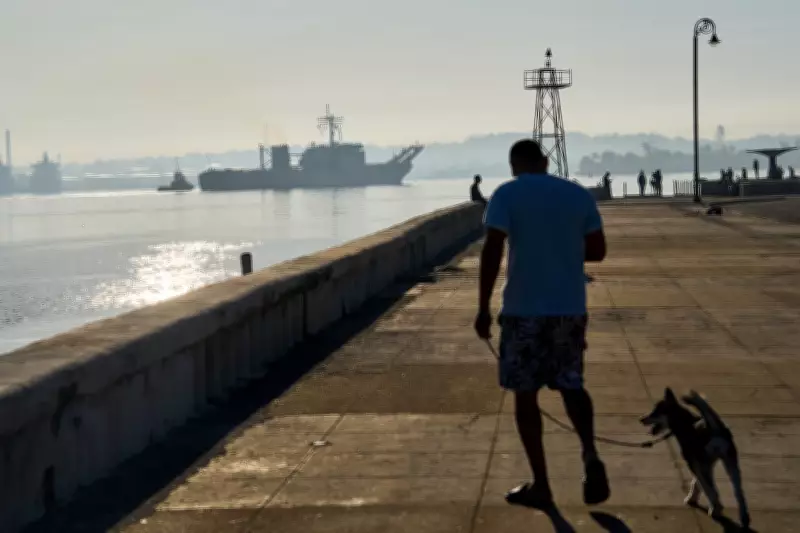
The Mexican Navy ships, including the vessel Papaloapan, arrived at Havana Bay on Thursday, February 12, 2026. Their mission is focused on delivering humanitarian assistance directly to Cuban authorities. This operation highlights the strategic and diplomatic ties between Mexico and Cuba, which have historically maintained close relations despite external pressures.
Regional implications of this aid delivery are noteworthy. It signals a pushback against the isolation imposed by the U.S. blockade, with Mexico positioning itself as a key ally in the Caribbean. The move may also inspire other nations to increase their support for Cuba, potentially leading to more collaborative initiatives to address the energy crisis and other socio-economic challenges.
Broader Impact and Future Outlook
The energy crisis in Cuba has far-reaching consequences, impacting healthcare, education, and industry. With the U.S. blockade showing no signs of easing, reliance on humanitarian aid from friendly nations is likely to continue. The Mexican Navy's intervention is a temporary relief measure, but long-term solutions will require international advocacy and potential policy changes.
In summary, the docking of Mexican Navy ships in Cuba with humanitarian aid is a critical response to an escalating energy crisis driven by the U.S. blockade. This event emphasizes the importance of regional solidarity and the ongoing struggles faced by Cuba in navigating geopolitical constraints while meeting the needs of its people.