Mixed Reactions to Iran's Leader Fall: Relief and War Concerns
The recent fall of Iran's supreme leader, Ayatollah Ali Khamenei, following U.S.-Israeli airstrikes has sparked a complex mix of emotions globally. While many welcome the end of decades of authoritarian rule, significant unease persists regarding the war's conduct and the motives of those claiming victory.
Celebration and Suspicion in the Diaspora
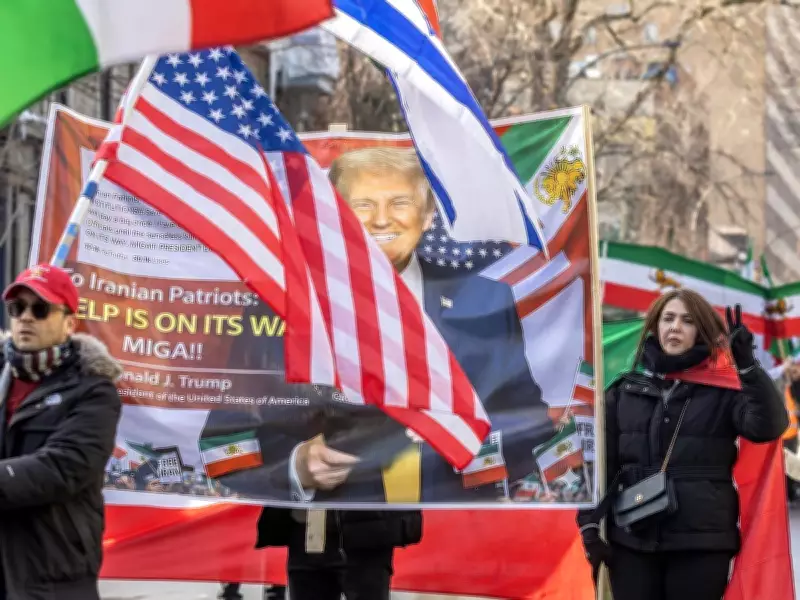
In cities like Montreal, demonstrations erupted in support of Iranians, with some dancing in the streets at the news of Khamenei's death. For Iranian communities abroad, including in Canada, there is hope that family and friends living under repression might finally see change. However, this optimism is tempered by suspicion among those who have experienced the exclusionary policies of governments professing to bring freedom.
The presence of symbols like red MAGA hats at some celebrations has deepened this distrust, as these items are associated by many with white supremacy, anti-immigrant sentiment, and division. This raises critical questions about whether the war's methods and outcomes align with its stated liberation goals.

Historical Echoes and Unclear Objectives
The current conflict in Iran evokes a sense of déjà vu, reminiscent of past interventions in Iraq, Afghanistan, and Libya. In those cases, foreign involvement promised freedom but often resulted in instability and broken promises. The war in Iran lacks clear objectives, measurable success criteria, or a defined endpoint, fueling concerns about its long-term impact.
As cultural anthropologist Narges Bajoghli noted in a recent essay, reactions within the Iranian diaspora are profoundly fractured. Some individuals celebrate the leader's fall, while others grieve, reflecting the complex political and cultural history of the region. This division mirrors broader debates happening across North American dinner tables, where opinions on the conflict remain deeply split.
Reconciling Conflicting Emotions
For observers like Arron Neal, reconciling the relief at an authoritarian's defeat with discomfort over the war's violence presents a challenge. In a polarized news cycle that demands instant takes, there is no easy answer. The conduct of those claiming credit—particularly when their records show a willingness to marginalize vulnerable groups—complicates the narrative of liberation.
Ultimately, the situation underscores a nuanced reality: it is possible to applaud the end of tyranny while questioning the means and motives behind it. As the conflict unfolds, the world watches to see if this war will follow a simplistic script of good versus evil or repeat the messy, unresolved patterns of history.