Pakistan's army chief arrived in Tehran on Wednesday for high-level discussions, marking a significant diplomatic push to reduce Middle East tensions and facilitate a second round of negotiations between the United States and Iran. This move comes after nearly seven weeks of conflict, with Pakistan emerging as a key mediator following its hosting of rare direct talks in Islamabad.
US Warns of Economic Pressure on Iran
Concurrently, US Treasury Secretary Scott Bessent issued a stark warning, stating that the United States will intensify its infliction of economic pain on Iran. Bessent described this effort as the "financial equivalent" of a bombing campaign, highlighting the administration's hardline stance amid ongoing diplomatic efforts.
Pakistani Delegation and Regional Diplomacy
The Pakistani military confirmed that the delegation includes the country's interior minister and other senior security officials, characterizing the visit as part of ongoing mediation initiatives. However, specific details were not disclosed. In a parallel development, Pakistani Prime Minister Shehbaz Sharif traveled to Saudi Arabia for an official visit to discuss regional issues, accompanied by Pakistan's foreign minister and information minister.

Progress on Ceasefire Extension
Regional officials reported progress in negotiations, telling The Associated Press that the United States and Iran have reached an "in principle agreement" to extend the fragile ceasefire. This agreement aims to allow more time for diplomacy, despite strains from the US blockade on Iranian ports and renewed Iranian threats. The officials spoke on condition of anonymity due to the sensitivity of the discussions.
Simmering Tensions and Threats
Even as mediators work toward peace, tensions remain high. Ali Abdollahi, commander of Iran's joint military command, threatened to halt regional trade if the US does not lift its naval blockade. Iranian Foreign Ministry spokesman Esmail Baghaei noted that Islamabad has engaged with both American and Iranian stances, with the current visit intended to discuss these views in detail.
Sticking Points in Negotiations
Mediators are urgently seeking a compromise on three main sticking points before the two-week ceasefire expires on April 22: Iran's nuclear program, the Strait of Hormuz, and compensation for wartime damages. According to a regional official speaking anonymously, these issues derailed direct talks last weekend.
Nuclear Program Proposals
Baghaei stated that Iran is open to discussing the type and level of its uranium enrichment but emphasized that the country must continue enrichment based on its needs. During talks in Islamabad, the US negotiating team, led by Vice President JD Vance, proposed a 20-year moratorium on uranium enrichment as part of a potential deal to end the war. Iran countered with an offer to suspend enrichment for five years, which the White House rejected.
Human Toll and Economic Impact
The conflict has resulted in significant casualties, with at least 3,000 deaths in Iran, over 2,100 in Lebanon, 23 in Israel, and more than a dozen in Gulf Arab states. Thirteen US service members have also been killed. The war has disrupted global markets, with oil prices falling on hopes for peace and US stocks nearing record highs. However, the US blockade threatens Iran's economic lifelines, while Tehran's threats to regional trade add to the uncertainty.
Trump's Comments on China and Iran
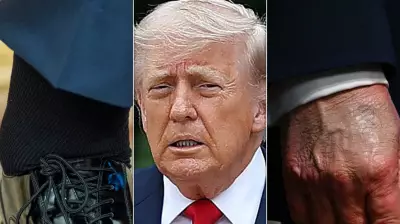
US President Donald Trump claimed that China has agreed not to provide weapons to Iran, linking this to his efforts to open the Strait of Hormuz. In a social media post, he suggested that China is "very happy" about this development. Historically, China has supported Iran's ballistic missile program with dual-use components, according to US government reports.
Military and Regional Developments
US Central Command reported that no ships breached the blockade in its first 48 hours, with nine merchant vessels turning back into Iranian waters. The blockade aims to pressure Iran, which has relied on oil exports, often through illicit "dark transits," to sustain its economy during the war. Iran's closure of the Strait of Hormuz has driven up global oil prices, affecting costs worldwide.

Continued Strikes in Lebanon
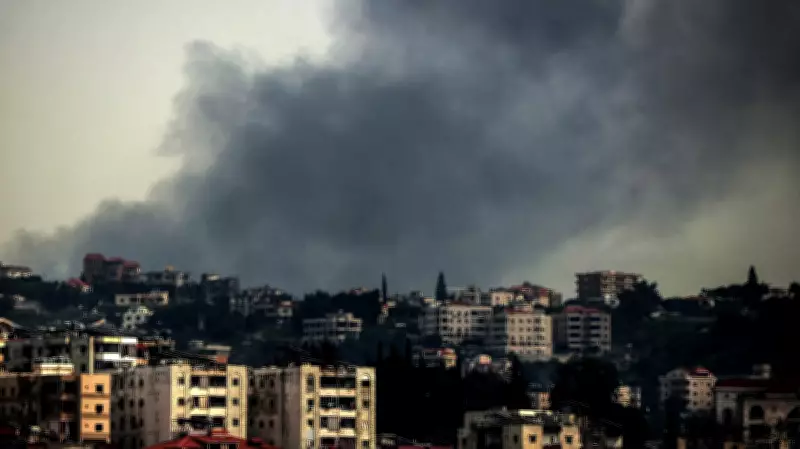
Israel continued its aerial and ground operations in Lebanon, with airstrikes and artillery shelling reported in southern areas, including near Bint Jbeil. The Lebanese Health Ministry accused Israel of attacking paramedic teams, resulting in three deaths and six injuries. These strikes occurred after Israeli and Lebanese officials held their first direct talks in decades, though the two nations remain technically at war since Israel's establishment in 1948.
As diplomatic efforts intensify, the future of the ceasefire hangs in the balance, with mediators racing against time to secure a lasting peace agreement.