Pakistan Announces Temporary Pause in Military Strikes Against Afghanistan
In a significant diplomatic development, Pakistan has officially announced a temporary suspension of its military strikes into neighboring Afghanistan. This decision comes just two days after a deadly airstrike in Kabul that killed multiple individuals and heightened regional tensions between the two nations.
Official Statement from Information Minister
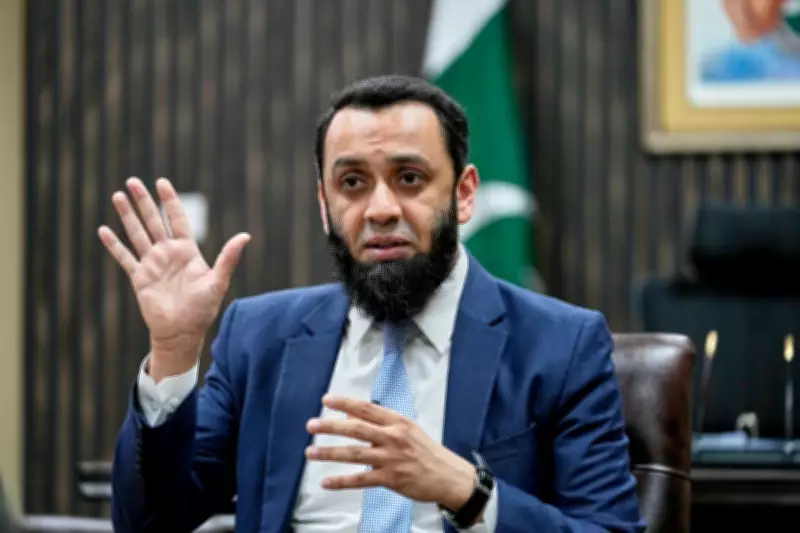
Pakistan's Information Minister, Attaullah Tarar, confirmed the pause during an exclusive interview with The Associated Press in Islamabad on Wednesday, March 18, 2026. Minister Tarar stated that the temporary halt is intended to de-escalate the volatile situation and allow for diplomatic channels to address ongoing security concerns along the shared border.
The recent Kabul airstrike, which occurred on March 16, 2026, resulted in significant casualties and prompted immediate condemnation from Afghan authorities. While Pakistan has not officially claimed responsibility for that specific operation, the incident has been widely attributed to Pakistani forces targeting militant positions. The strike exacerbated longstanding tensions between the two countries, which have frequently accused each other of harboring terrorist groups that launch cross-border attacks.

Background of Cross-Border Tensions
Relations between Pakistan and Afghanistan have been strained for years due to:
- Recurring militant incursions across the porous border region
- Disputes over territorial sovereignty and security responsibilities
- Accusations of state-sponsored support for insurgent groups
- Diverging geopolitical alignments with international powers
The temporary pause in strikes represents a cautious step toward reducing immediate hostilities. However, Minister Tarar emphasized that Pakistan reserves the right to resume military actions if perceived threats from Afghan territory continue. This conditional approach underscores the fragile nature of current bilateral relations and the complex security dynamics in South Asia.
Regional and International Implications
The announcement has drawn attention from regional observers and international stakeholders concerned about stability in Afghanistan following the withdrawal of foreign troops. The pause may create a window for dialogue, but substantial challenges remain in addressing the root causes of cross-border violence.
Analysts note that while temporary ceasefires have occurred previously, sustained peace will require comprehensive agreements on border management, intelligence sharing, and joint counterterrorism efforts. The coming weeks will be critical in determining whether this pause evolves into more substantive diplomatic engagement or merely represents a brief interlude in ongoing conflict.