Violent Protests Erupt Across Pakistan Following Death of Iran's Supreme Leader
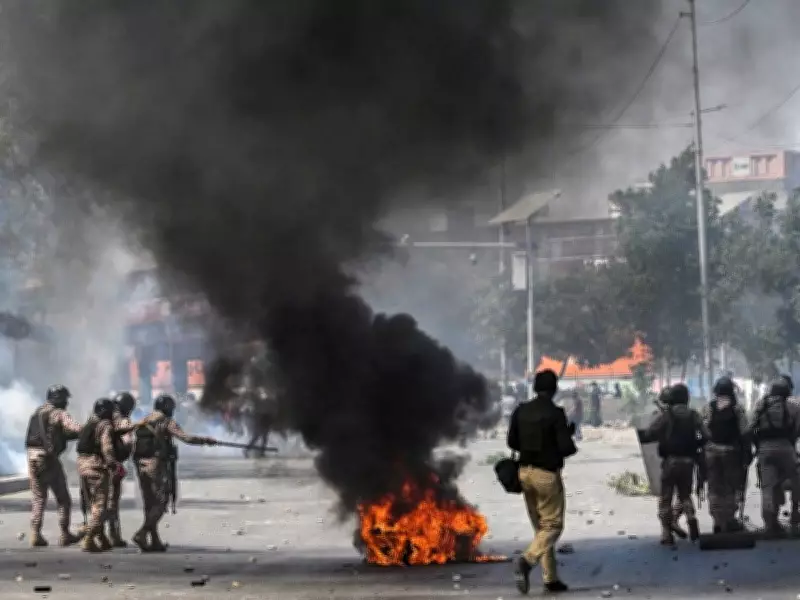
At least 17 people were killed on Sunday during widespread protests across Pakistan, as demonstrators outraged over the death of Iran's supreme leader took to the streets in violent clashes with security forces. The protests saw attempts to storm U.S. diplomatic buildings and the burning of a United Nations office, marking one of the most significant international security incidents in the region this year.
Karachi Consulate Under Siege
In the Pakistani megacity of Karachi, hundreds of pro-Iranian protesters attempted to enter the U.S. consulate, leading to intense clashes with police. An AFP journalist on the scene witnessed protesters climbing over the main gate and gaining access to the driveway of the consular building, where they smashed windows before being dispersed by tear gas.
The office of the Karachi police surgeon reported at least 10 fatalities and over 70 injuries by Sunday evening, with an earlier hospital toll seen by AFP listing nine people as having died from gunshot wounds. Protesters at the Karachi demonstration chanted slogans against the United States, Israel, and their allies, with one protester, Sabir Hussain, telling AFP, "We don't need anything in Pakistan that is linked with the U.S."

Northern Cities See Deadly Confrontations
In the northern city of Gilgit, at least seven people were killed and many more injured in clashes with police, according to rescue official Zaheer Shah. Meanwhile, in the northern city of Skardu, protesters stormed and set fire to a United Nations office, though no casualties were reported at that location.
Thousands gathered in the streets of the capital Islamabad, many holding photos of late Iranian leader Ali Khamenei. AFP journalists witnessed police deploying tear gas to disperse crowds near the U.S. embassy, with overhead gunfire believed to be intended to break up the protest. Approximately 4,000 people took to the streets in Islamabad, where tear gas was deployed even before the planned start of a rally at 3:00 pm.
Political Fallout and International Response
The protests followed the killing of Iran's long-ruling supreme leader in a mass aerial campaign launched by Israel and the United States early Saturday. Pakistan's Prime Minister Shehbaz Sharif, who maintains close ties with both the United States and Iran, condemned the killing on Sunday evening, calling it a "violation" of international law.
"It is an age old convention that the Heads of State/Government should not be targeted," Sharif wrote on X, adding that "the people of Pakistan join the people of Iran in their hour of grief and sorrow and extend the most sincere condolences on the martyrdom" of Khamenei.
Protesters expressed frustration with the Pakistani government's response to their demonstrations. Zahra Mumtaz, a 52-year-old housewife from nearby Rawalpindi, told AFP: "Our leader has been martyred, and we are not even allowed to protest. The least the government could do is let us express our grief." She added, "Our leaders are nothing but stooges of the Americans... The Americans and Israelis will have to pay for this."
Heightened Security Measures
Following the violent protests, both the U.S. and British embassies issued security alerts urging their citizens in Pakistan to exercise caution. The incidents highlight growing regional tensions following the death of Iran's supreme leader and raise concerns about the stability of diplomatic relations in South Asia.
The protests represent one of the most significant displays of pro-Iran sentiment in Pakistan in recent years, with demonstrators expressing solidarity with Iran while directing anger toward Western powers and their perceived influence in the region.