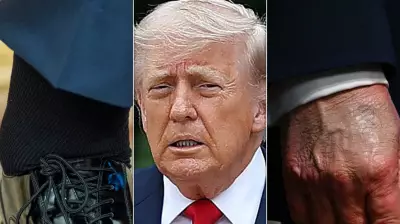
In a significant diplomatic move, Pakistan's army chief has embarked on a visit to Tehran, with the primary objective of reigniting dialogue between the United States and Iran. This initiative comes at a critical juncture, as regional tensions have intensified following a series of military actions in the Middle East.
Background of the Diplomatic Mission
The Pakistani military leader's trip to Iran is seen as a strategic effort to mediate between the long-standing adversaries, the US and Iran. Pakistan, maintaining relationships with both nations, positions itself as a potential broker in de-escalating conflicts that have recently flared up. The visit underscores Pakistan's role in regional stability, amid growing concerns over the broader geopolitical landscape.
Recent Escalations in the Region
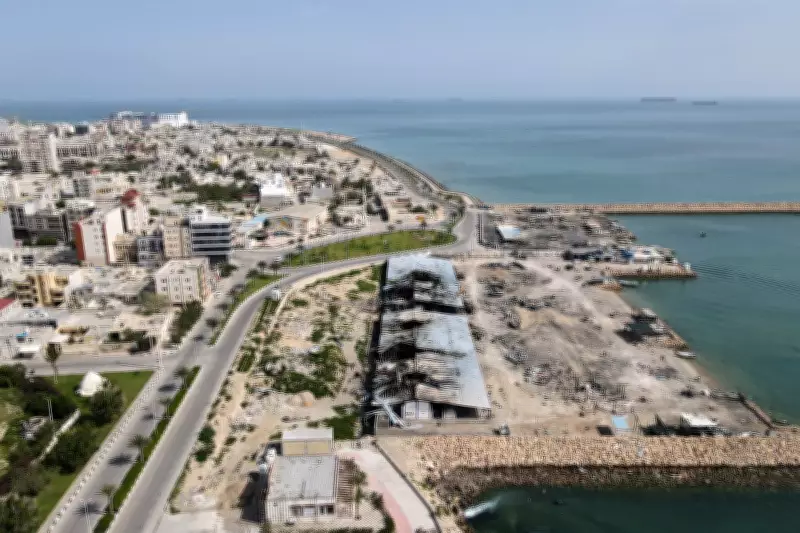
Recent events have heightened the urgency for renewed talks. According to local witnesses, a fishing pier on Qeshm island in Iran sustained damage from airstrikes during a US-Israel military campaign. This incident, occurring in the strategically vital Strait of Hormuz, highlights the volatile environment that threatens maritime security and regional peace. The destruction serves as a stark reminder of the ongoing conflicts that necessitate immediate diplomatic interventions.

Implications for US-Iran Relations
The Pakistani army chief's engagement in Tehran could pave the way for resumed negotiations between Washington and Tehran. Previous talks have stalled over issues such as nuclear agreements and regional influence, but with Pakistan's mediation, there is hope for a breakthrough. Experts suggest that this diplomatic push might address key concerns, including security in the Strait of Hormuz and the broader Middle East stability.
Challenges and Opportunities
Despite the optimistic outlook, significant hurdles remain. Both the US and Iran have deep-seated mistrust and conflicting interests, making any dialogue complex. However, Pakistan's neutral stance and historical ties with both countries could provide a unique platform for confidence-building measures. The success of this mission could lead to reduced hostilities and foster cooperation on mutual issues like counterterrorism and economic partnerships.
Regional and Global Reactions
The international community is closely monitoring these developments, as any progress in US-Iran relations could have far-reaching effects on global oil markets and security alliances. Regional powers, including Saudi Arabia and Israel, are likely to weigh in on the outcomes, given their vested interests in the Middle East's balance of power. The Pakistani initiative reflects a broader trend of non-traditional actors stepping into diplomatic roles to address pressing conflicts.
In conclusion, the Pakistani army chief's visit to Tehran represents a crucial step toward reviving US-Iran talks, amidst a backdrop of recent military actions and regional instability. As diplomatic efforts unfold, the world watches with anticipation, hoping for a peaceful resolution that could stabilize one of the globe's most contentious regions.