U.S. Diplomatic Approach Shifts Tone but Not Substance in Munich Address
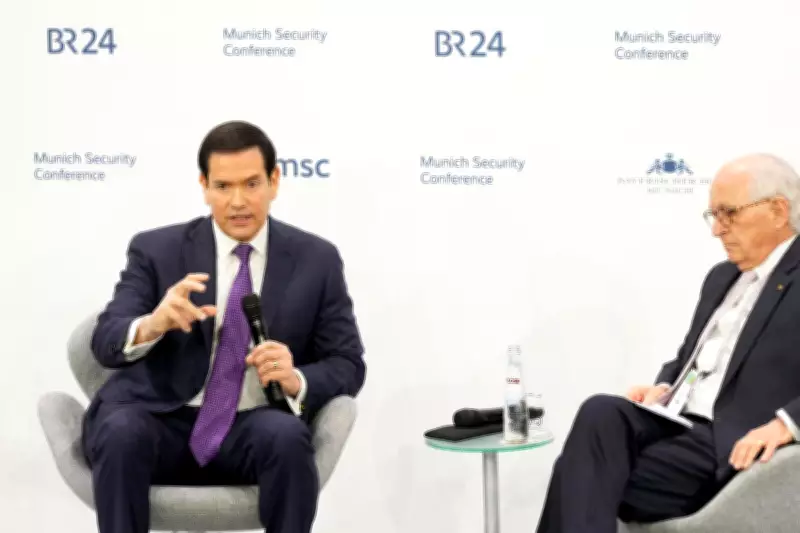
In a significant address at the Munich Security Conference on February 14, 2026, U.S. Secretary of State Marco Rubio presented a nuanced diplomatic stance to European allies, blending softer rhetoric with the unwavering policies of former President Donald Trump. Speaking alongside Wolfgang Ischinger, Chairman of the conference, Rubio's speech marked a delicate balancing act in transatlantic relations.
A More Conciliatory Delivery with Unchanged Core Positions
Observers noted that Secretary Rubio's tone was notably more diplomatic and less confrontational than previous Trump-era communications, aiming to reassure European partners while avoiding any substantive policy shifts. The address emphasized cooperation and shared values, yet firmly reiterated the United States' commitment to Trump's established foreign policy framework, including trade positions and security priorities.
This strategic softening of language appears designed to mend fences with allies who have expressed concerns over past U.S. unilateralism, without conceding on key American interests. Rubio highlighted areas of mutual benefit, such as collective security and economic partnerships, but stopped short of announcing any new initiatives or concessions.

Context and Implications for Transatlantic Relations
The Munich Security Conference, a premier forum for international security policy, provided a critical platform for this diplomatic outreach. Rubio's speech comes amid ongoing tensions between the U.S. and some European nations over trade, defense spending, and climate policies inherited from the Trump administration.
- European leaders have long sought a more collaborative approach from Washington.
- Rubio's address signals an effort to improve dialogue without altering fundamental U.S. stances.
- The response from European delegates was cautiously optimistic, with many appreciating the changed tone but awaiting concrete actions.
Analysts suggest that this calibrated approach may help stabilize relations, though substantive disagreements remain unresolved. The speech underscores the current administration's attempt to navigate between domestic political expectations and international diplomatic pressures.
Looking Ahead: Diplomacy and Policy Continuity
As global challenges persist, Rubio's Munich appearance illustrates the ongoing evolution of U.S. foreign policy under the shadow of Trump's legacy. The blend of conciliatory rhetoric and policy continuity sets a precedent for future engagements, indicating that while the delivery may soften, the core tenets of America's strategic direction remain firmly in place.
This development will likely influence upcoming bilateral meetings and multilateral negotiations, as allies gauge whether the U.S. is truly shifting towards greater collaboration or merely repackaging existing positions. The long-term impact on transatlantic trust and cooperation will depend on subsequent actions matching the more diplomatic tone set in Munich.