Rubio Warns of Defining Moment for Transatlantic Ties at Munich Security Conference
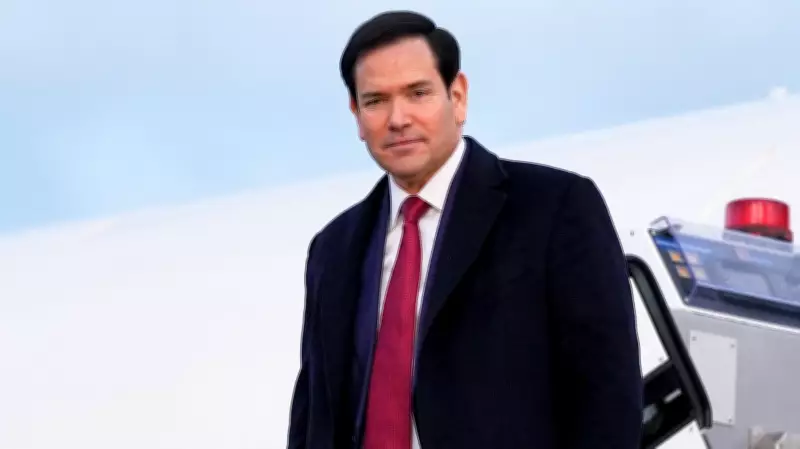
U.S. Secretary of State Marco Rubio has issued a stark warning that transatlantic relations are facing a defining moment in a rapidly changing global landscape. Speaking ahead of the Munich Security Conference on Friday, Rubio adopted a notably warmer tone compared to the confrontational rhetoric that has characterized the past year of unprecedented upheaval in international diplomacy.
A Year of Unprecedented Strain
The backdrop to this year's gathering is markedly different from last year's conference, where Vice President JD Vance launched a blistering attack on European allies. That speech triggered a series of confrontations and signaled what many perceived as a U.S. intent to dismantle significant portions of the international order it helped establish following World War II.
In response to this aggressive posture, Washington's European partners have been actively pursuing a more independent course while simultaneously working to preserve the foundational elements of the transatlantic alliance. This delicate balancing act comes as they confront multiple simultaneous threats, ranging from Russia's ongoing war in Ukraine to massive disruptions in global trade patterns.

"I think it's at a defining moment ... the world is changing very fast right in front of us," Rubio stated before departing for Munich. "The Old World is gone, frankly, the world I grew up in, and we live in a new era in geopolitics, and it's going to require all of us to re-examine what that looks like and what our role is going to be."
Wrecking-Ball Politics and Alliance Strain
The Munich Security Conference, which originated as a Cold War forum for Western defense debates, has long considered transatlantic ties central to its mission. However, what former German diplomat Wolfgang Ischinger termed wrecking-ball politics has fundamentally upended the previously unquestioned assumption of cooperation that underpinned the forum for decades.
Ischinger, who heads the conference, described this approach as one where "sweeping destruction – rather than careful reforms and policy corrections – is the order of the day." He added, "I cannot remember a time when we had more simultaneous wars, crises, and conflicts of that dimension," referencing ongoing conflicts in Ukraine, Gaza, and Sudan.
The Trump administration's foreign policy actions have contributed significantly to this strained environment. These include:
- Military intervention in Venezuela and threats against other Latin American countries
- Imposition of tariffs on both allies and adversaries alike
- Open discussion about annexing Greenland, a move that could effectively end NATO
- Dire warnings about Europe facing "civilisational erasure"
Vance's speech at last year's conference, which accused European leaders of censoring free speech and failing to control immigration, marked a significant milestone in the deterioration of transatlantic relations.
European Response and Military Realities
The Trump administration's harsh rhetoric has profoundly shaken European allies, prompting them to pledge increased military spending after decades of relative neglect. However, Europe's dependence on U.S. military support represents a structural reality that will take years to undo, leaving the continent particularly vulnerable as the standoff with Russia over Ukraine persists.
German Foreign Minister Johann Wadephul acknowledged the strain on Friday, stating, "This alliance is also under pressure. There is alienation, there is irritation about some of the things we hear from Washington. We need to talk about this here together."
A Record Gathering Amid Global Tensions
This year's Munich Security Conference will feature an unprecedented gathering of global leaders under tight security measures. German Chancellor Friedrich Merz will open the conference with a keynote address on Friday afternoon, while approximately 70 heads of state and government and more than 140 ministers are expected to attend.
Prominent attendees include:

- Chinese Foreign Minister Wang Yi
- Ukrainian President Volodymyr Zelenskyy
- French President Emmanuel Macron
- British Prime Minister Keir Starmer
- Indian Foreign Minister Subrahmanyam Jaishankar
Notably, Christine Lagarde will become the first European Central Bank president to address the event, highlighting how efforts to strengthen Europe's economic resilience are increasingly viewed as integral to broader political and security considerations.
Significant absences include Russia, which is not sending a delegation, and Iranian officials, whose invitations were withdrawn following Tehran's crackdown on nationwide protests last month. Instead, the son of Iran's last Shah is expected to deliver a speech, while a large Iranian opposition rally is anticipated in Munich.
Rubio, who is considered a potential rival to Vance for the 2028 U.S. presidential race, emphasized the enduring connection between the United States and Europe despite the current tensions. "(The U.S. is) deeply tied to Europe, and our futures have always been linked and will continue to be," he stated. "So we've just got to talk about what that future looks like."