Russia-Ukraine War: U.S.-Brokered Talks Resume in Geneva After Nearly Four Years
In a pivotal development for international diplomacy, Russian and Ukrainian officials have reconvened for high-stakes negotiations in Geneva, Switzerland. These talks, which are being brokered by the United States, represent a renewed effort to address the protracted conflict that has persisted for almost four years. The meeting underscores a critical attempt to forge a diplomatic pathway forward amidst ongoing military hostilities and humanitarian crises.
Diplomatic Efforts Amidst Ongoing Conflict
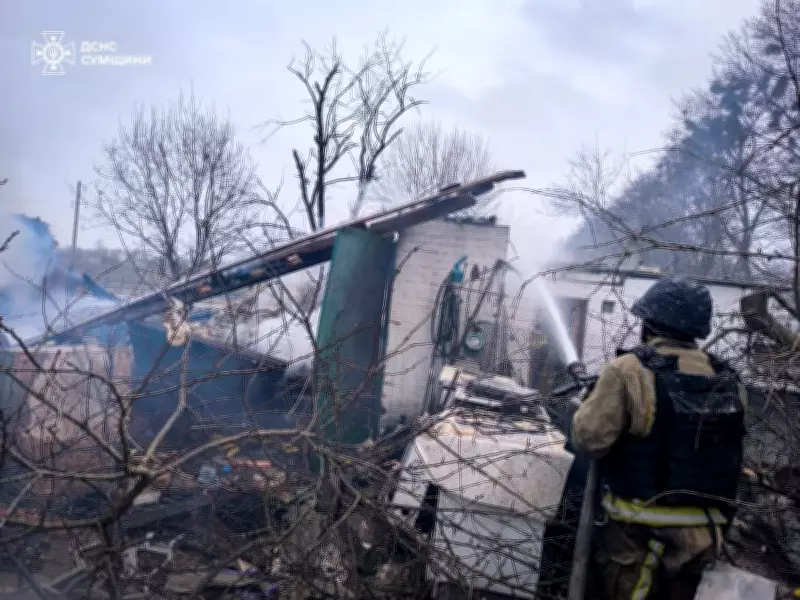
The discussions in Geneva mark a significant moment in the long-standing war, highlighting the persistent challenges and complexities involved in achieving a peaceful resolution. The involvement of U.S. mediators aims to facilitate dialogue and bridge the substantial gaps between the two nations' positions. This diplomatic initiative comes at a time when military engagements continue to impact regions such as Sumy in Ukraine, where recent air attacks have resulted in destruction and necessitated emergency responses from services like the Ukrainian Emergency Service.
The resumption of talks after such an extended period of warfare signals a potential shift towards de-escalation, though outcomes remain uncertain. Both sides have historically faced obstacles in reaching agreements, with issues ranging from territorial disputes to security guarantees. The Geneva meeting is seen as a test of willingness to compromise and engage in substantive negotiations that could pave the way for future peace processes.

Context and Implications for Global Stability
The war between Russia and Ukraine has had far-reaching consequences, affecting not only the direct participants but also global geopolitical dynamics and economic stability. The conflict has led to widespread displacement, loss of life, and significant damage to infrastructure, with incidents like the air strikes in Sumy serving as stark reminders of the ongoing violence. Diplomatic efforts, such as those in Geneva, are crucial in attempting to mitigate these impacts and prevent further escalation.
International observers are closely monitoring the talks, as any progress could influence broader security arrangements in Europe and beyond. The U.S. role as a broker adds a layer of international pressure and support, potentially enhancing the prospects for a negotiated settlement. However, the history of failed negotiations and continued hostilities suggests that the path to peace will require sustained commitment and flexibility from all parties involved.
As the discussions unfold, the global community remains hopeful that this diplomatic engagement will lead to tangible steps towards ending the conflict. The outcome of the Geneva talks could set a precedent for future international mediation efforts in similar crises, emphasizing the importance of dialogue in resolving protracted wars.