South Korean Leader's Controversial Video Choice Draws Sharp Israeli Condemnation
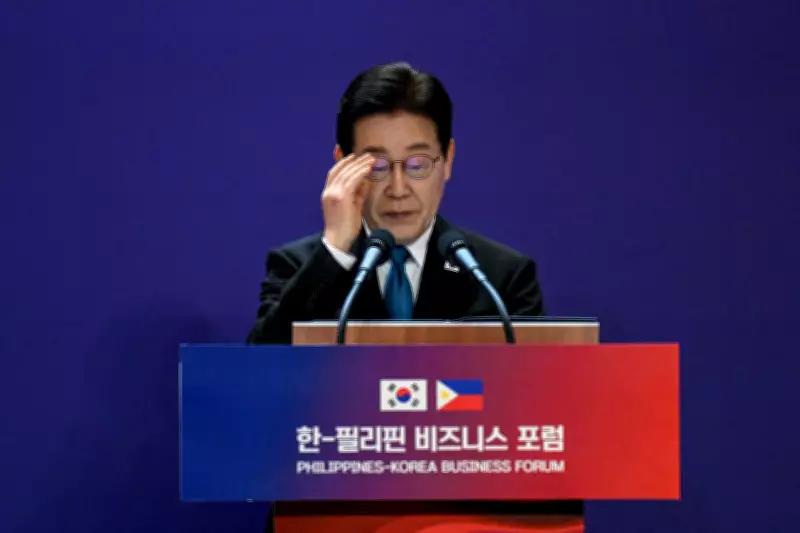
South Korean President Lee Jae Myung has ignited a significant diplomatic dispute with Israel by employing an old video clip to underscore the human cost of the ongoing Israel-Hamas war. The incident, which occurred during a recent public address, has prompted strong objections from Israeli officials who accuse the South Korean leader of misrepresenting current realities and potentially inflaming tensions.
Outdated Footage Fuels International Friction
During his speech, President Lee incorporated historical footage that did not reflect the present conflict situation, aiming to make a broader point about civilian suffering in war zones. Israeli authorities quickly denounced this approach, arguing that using obsolete material distorts the complex dynamics of the Israel-Hamas confrontation and could undermine peace efforts. The Israeli government expressed formal displeasure, highlighting concerns about the accuracy and timing of such representations during sensitive geopolitical moments.
This diplomatic spat emerges as South Korea seeks to maintain balanced foreign relations while occasionally commenting on global humanitarian issues. President Lee, who has previously emphasized human rights in international forums, now faces criticism for his methodology rather than his message. Analysts suggest the controversy reflects broader challenges in how nations communicate about conflicts involving allies and strategic partners.

Broader Implications for Bilateral Relations
The tension underscores the delicate nature of international discourse surrounding the Israel-Hamas war, now in its protracted phase. South Korea and Israel have generally maintained cooperative ties, particularly in technology and defense sectors, making this public disagreement notably conspicuous. Observers note that such incidents can strain diplomatic channels, even between nations without direct involvement in the conflict.
President Lee's administration has not yet issued a detailed response to the Israeli criticism, but sources indicate internal discussions about balancing principled stances on human suffering with diplomatic pragmatism. The episode serves as a reminder of how visual media choices in political speeches can carry substantial international repercussions, especially when addressing highly charged conflicts like that between Israel and Hamas.