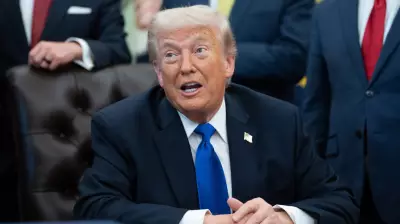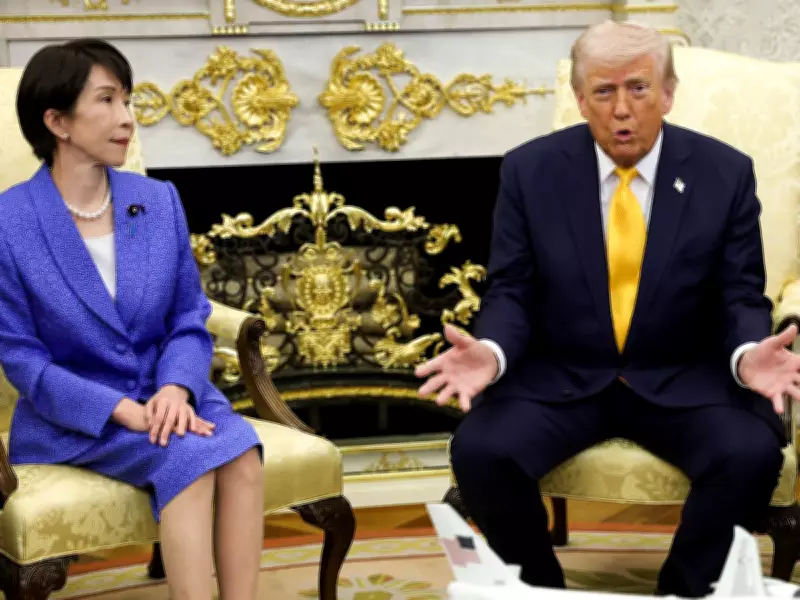
In a striking moment during a bilateral meeting at the White House on March 19, 2026, President Donald Trump invoked the historical Pearl Harbor attack while discussing the U.S. military strike on Iran with Japanese Prime Minister Sanae Takaichi. The incident underscored ongoing tensions between the two nations regarding Japan's role in the conflict, which remains deeply unpopular domestically and faces constitutional constraints.
A Surprising Historical Reference
When a reporter questioned why the United States had not informed Japan and other allies in advance of the Iran strike, Trump turned to Prime Minister Takaichi with a chuckle and remarked, "Who knows better about surprise than Japan? Why didn't you tell me about Pearl Harbor?" This reference to the Second World War-era Japanese attack on the U.S. naval base was met with a stern response from Takaichi, who pursed her lips and glanced at her advisers instead of treating it as a laugh line.
The comment highlighted Trump's cavalier approach to informing allies of major military operations and put the Japanese leader in an uncomfortable position. A Japanese foreign ministry official later clarified that the Pearl Harbor subject did not arise in closed-door talks between the leaders, though they had anticipated some surprises from Trump—just not that particular one.

Context of the Meeting
The visit was fraught from the outset, as it remained unclear what immediate steps Japan would take to support the U.S. in the Iran war, given legal and public opinion hurdles. Under Japan's constitution, joining an armed conflict is legally questionable, and the war is widely opposed within the country. Despite this, Trump praised Japan's support, stating, "They are really stepping up to the plate, unlike NATO allies. We've had tremendous support and relationship with Japan on everything."
However, Trump also emphasized expectations, noting, "We don't need anything from Japan or anyone else, but I think it's appropriate that they step up." He pointed to the approximately 45,000 U.S. soldiers based in Japan and the financial investment involved, adding, "I expect Japan to step up because we have that kind of relationship."
Japan's Diplomatic Balancing Act
At a press conference following the meeting, Prime Minister Takaichi explained to reporters that she had outlined the legal limits to Japan's involvement in securing the Strait of Hormuz to President Trump. She highlighted areas of agreement, including a pledge to import more oil from the U.S. and cooperate on missile development. Japan has also leveraged its diplomatic ties with Iran, with its foreign minister condemning the Islamic Republic's attacks around the Gulf region in a recent call.
This incident is the latest example of a foreign leader being put on the back foot during a White House meeting with Trump, who often uses such opportunities to extract concessions or criticize policies perceived as counter to U.S. interests. The exchange not only raised historical sensitivities but also reflected broader geopolitical strains as the U.S. seeks allied support in the Iran conflict while navigating complex international relationships.