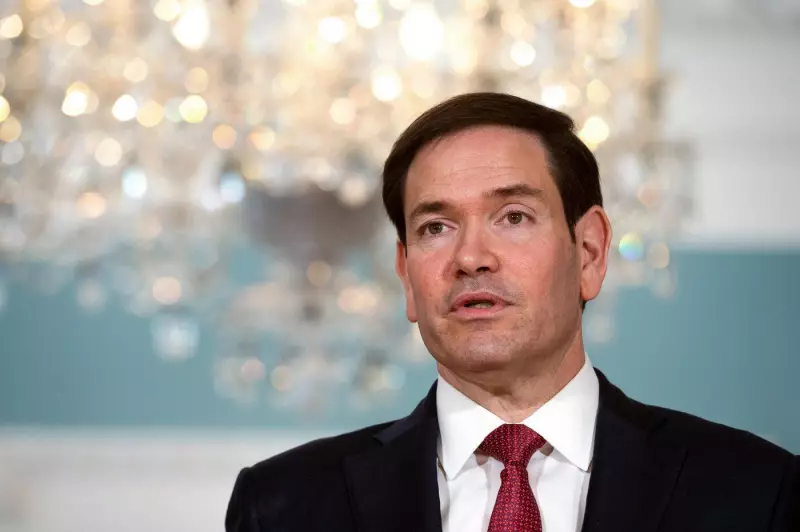
A high-profile group of former Trump administration confidants, a past British leader, and senior officials from Middle Eastern nations are now at the center of a newly proposed United States plan for Gaza. The development, reported on January 17, 2026, signals a significant diplomatic push involving figures from outside the current U.S. government structure.
The Key Players Behind the Diplomatic Push
The initiative brings together an unusual coalition of experienced political and diplomatic operators. Close associates of former President Donald Trump are playing a leading role, leveraging their connections and prior experience in Middle East negotiations. They are joined by a former Prime Minister of the United Kingdom, whose international stature and experience in global conflicts add weight to the effort.
Completing this core group are several current and former officials from key Middle Eastern nations. Their involvement is considered crucial for crafting a plan that addresses regional complexities and has buy-in from affected stakeholders. The collaboration suggests an attempt to bridge American political divides and incorporate direct regional insight.

Context and Timing of the Proposal
This plan emerges amidst the ongoing and devastating conflict between Israel and Hamas. The proposal was made public on January 17, 2026, as Secretary of State Marco Rubio was engaged in other high-level diplomatic meetings, including with Armenian Foreign Minister Ararat Mirzoyan at the State Department earlier that week.
The involvement of Trump-aligned figures indicates an effort to build consensus that extends beyond traditional partisan channels, although it may also reflect the continued influence of the former president's network on foreign policy debates. The inclusion of a former British PM points to a desire for multinational legitimacy and experience.
Potential Implications and Next Steps
The unveiling of this plan by such a prominent set of individuals is likely to influence the broader diplomatic conversation surrounding Gaza. It presents an alternative framework developed outside official State Department channels, potentially pressuring the current administration to consider its elements or accelerate its own proposals.
Analysts will be watching to see if this external plan gains traction with governments in Israel, Palestinian territories, and neighboring Arab states. Its success or failure could hinge on the delicate balance of addressing security concerns, humanitarian crises, and long-term political solutions. The coming weeks will reveal whether this high-profile coalition can translate their influence into actionable and accepted policy.