Trump Optimistic on Iran Agreement, Calls for Hezbollah to Back Lebanon-Israel Truce
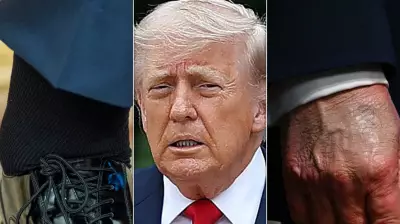
U.S. President Donald Trump has voiced strong confidence that a deal to end the conflict with Iran could be reached soon, while urging the Tehran-backed militant group Hezbollah to support a 10-day U.S.-backed truce agreed between Lebanon and Israel. Speaking to reporters, Trump indicated that an extension of the current two-week ceasefire with Iran might be possible but not necessarily required. "We're going to see what happens. But I think we're very close to making a deal with Iran," he stated, adding that if an agreement is finalized and signed in Islamabad, Pakistan, he might attend the ceremony.
Backdoor Diplomacy Shows Progress Toward Comprehensive Deal
A Pakistani source involved in mediating between the U.S. and Iran reported on Friday that backdoor diplomacy has advanced, with an upcoming meeting potentially leading to a memorandum of understanding and a comprehensive deal within 60 days. "Both sides are agreeing in principle. And technical bits come later," the anonymous source explained. Key mediator Field Marshal Asim Munir, Pakistan's army chief, has been engaged in talks in Tehran since Wednesday, achieving a breakthrough on contentious issues such as Iran's nuclear ambitions.
Proposals include a U.S. suggestion for a 20-year suspension of all Iranian nuclear activity, while Tehran countered with a three to five-year halt. Iran has demanded the lifting of international sanctions, and Washington has insisted on the removal of highly enriched uranium from the country. Two Iranian sources indicated signs of compromise, with Tehran considering shipping part of its stockpile abroad.

Displaced Lebanese Return to Devastated Homes Amid Fragile Ceasefire
As celebratory gunfire marked the start of the truce in Beirut at midnight on Thursday, people uprooted by the war began returning to Lebanon on Friday to assess the damage. Many found their homes destroyed or unlivable, with hills of rubble replacing buildings in Hezbollah-controlled areas targeted by Israeli strikes. In the southern city of Nabatieh, some residents defiantly vowed to stay, while others, like Fadel Badreddine, expressed despair. "There's destruction and it's unlivable. Unlivable. We're taking our things and leaving again," he said, highlighting the precarious nature of the ceasefire.
Trump confirmed he had spoken with Israeli Prime Minister Benjamin Netanyahu and Lebanese counterpart Joseph Aoun, planning to invite them to the White House for meaningful talks in the coming weeks. The conflict between Israel and Hezbollah, reignited by the U.S.-Israeli war with Iran, has resulted in significant casualties, with Lebanese authorities reporting 2,000 deaths since Hezbollah opened fire in support of Tehran on March 2.
Oil Prices Fall on Hopes for Conflict Resolution
Oil prices declined on Friday, with Brent crude futures dropping to US$98.53 a barrel and U.S. West Texas Intermediate crude futures falling to US$93.59, as optimism grew that the Middle East conflict might be nearing an end. Asian stocks also saw adjustments, with the MSCI Asia-Pacific index down 0.8% as investors locked in profits after a recent rally. Despite this, the Strait of Hormuz remains largely closed, disrupting global oil and gas supplies, with only a trickle of vessels passing through compared to over 130 daily before the war.
France and Britain are chairing a meeting of around 40 countries to signal readiness to help restore freedom of navigation in the strait once conditions allow. The U.S. blockade on ships entering or leaving Iranian ports could prevent approximately 2 million barrels per day of Iranian crude from reaching China, its primary buyer, exacerbating economic strains highlighted by the International Monetary Fund's warnings of potential global recession.