President Donald Trump's recent defense of Saudi Crown Prince Mohammed bin Salman represents more than just diplomatic support—it signals a fundamental shift in United States human rights policy that could reshape international relations for years to come.
The White House Meeting
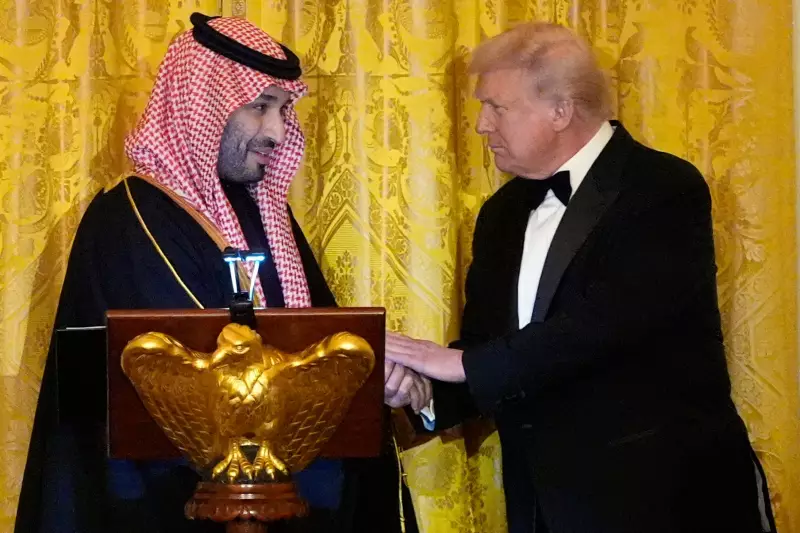
On November 18, 2025, President Donald Trump hosted Saudi Arabia's Crown Prince Mohammed bin Salman for an official dinner in the East Room of the White House. The meeting, captured in photographs showing the two leaders shaking hands, occurred amid growing international scrutiny of Saudi Arabia's human rights record.
The warm reception extended to the crown prince contrasts sharply with the approach of previous U.S. administrations, which typically balanced strategic partnerships with public criticism of human rights concerns. This event highlights the Trump administration's willingness to prioritize strategic alliances over traditional human rights considerations in foreign policy.

Analyzing the Policy Shift
Foreign policy experts observing the administration's approach note that this represents a calculated departure from decades of U.S. foreign policy tradition. The United States has historically used its influence to advocate for human rights improvements among its international partners, even when maintaining strategic relationships.
The current administration's stance suggests a recalibration where economic and security interests take clear precedence. This shift could have far-reaching implications for how the U.S. engages with other nations facing human rights criticisms, potentially altering the global diplomatic landscape.
The White House dinner serves as a powerful symbol of this transformed approach, demonstrating that the administration is comfortable with close public alignment with leaders who have faced international condemnation over human rights issues.
Broader Implications
This policy evolution extends beyond U.S.-Saudi relations and may establish a new precedent for how America engages with allied nations facing similar criticisms. The approach could empower other governments to expect less public pressure from Washington on human rights matters while maintaining strategic partnerships.
International relations analysts suggest that this shift might encourage other nations to follow similar approaches in their foreign policies, potentially weakening the global human rights framework that has developed since the end of World War II.
The November 2025 meeting between Trump and the Saudi crown prince may be remembered as a defining moment in this transformation of American foreign policy priorities, marking a significant departure from established norms in international diplomacy and human rights advocacy.