Trump Prolongs Diplomatic Window, Insists Iran Seeks Conflict Resolution
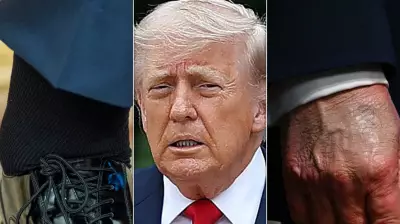
In a recent development concerning the escalating Middle East conflict, former U.S. President Donald Trump has announced an extension of the deadline for diplomatic efforts, asserting that Iran is actively pursuing a deal to end the war. This move comes as tensions continue to simmer across the region, with military actions and political maneuvers dominating headlines.
Diplomatic Deadlines and Military Posturing
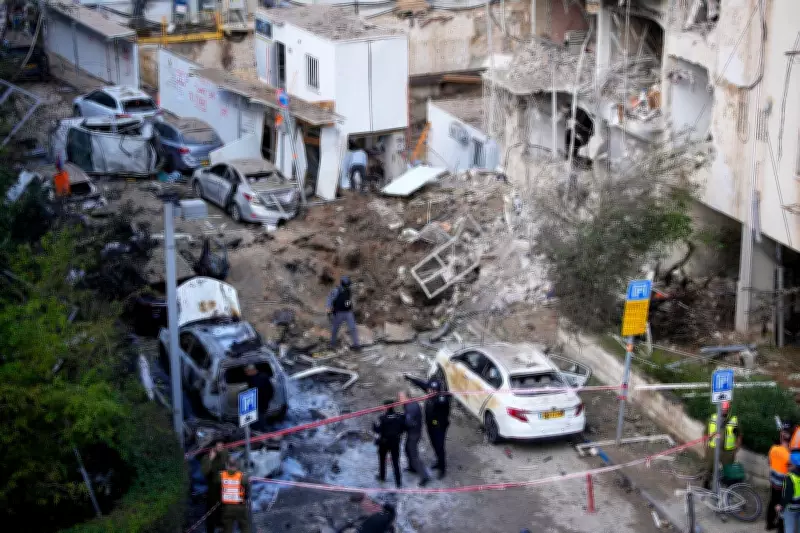
Trump, known for his unorthodox approach to foreign policy, emphasized that Iran is in a position of isolation due to its attacks on neighboring countries, a point echoed by military analysts. "We'll just keep bombing our little hearts out," Trump remarked, highlighting a strategy of sustained military pressure should diplomacy fail to de-escalate the situation. This statement underscores the high stakes involved, as the conflict has already driven market turbulence and impacted global economic conditions, including cost-of-living concerns.
Regional and Global Implications
The extension of the deadline aims to provide more time for negotiations, but it also raises questions about the effectiveness of such diplomatic channels. Iran's actions have not only strained relations with its neighbors but have also contributed to broader instability, affecting sectors from energy supplies to financial markets. As the world watches, the outcome of these talks could shape geopolitical dynamics for years to come, influencing everything from trade policies to security alliances.

- Trump's deadline extension allows for continued diplomacy amid ongoing military operations.
- Iran is described as "isolating" itself through aggressive regional actions.
- The conflict's ripple effects include market volatility and increased living costs globally.
- Military analysts warn of prolonged hostilities if negotiations break down.
Broader Context and Future Prospects
Beyond the immediate diplomatic efforts, the Middle East conflict intersects with various global issues, such as energy security and international trade. The situation remains fluid, with potential for sudden shifts in strategy from all involved parties. Observers note that while Iran may express eagerness for a deal, its past behavior suggests a complex negotiation process ahead, requiring careful navigation by world leaders.